


Guide to choosing Personalised Cups
Personalised Cups are useful and versatile products that have become part of everyday life for many people. The wide choice of materials can meet different needs, while capacities and additional details make them extremely practical and functional. All these features, together with the variety of shapes and models, create a broad and diverse range suitable for both personal and professional use. The many printing techniques available also make it possible to customise cups with logos, text and graphics, making them unique and easy to recognise.
How to choose between the different materials
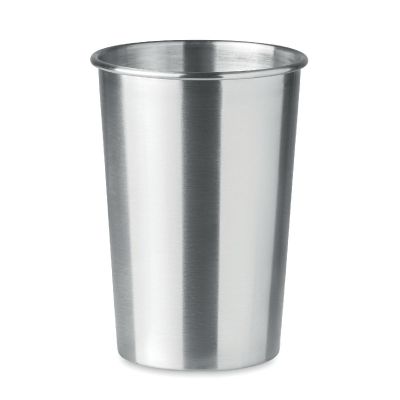
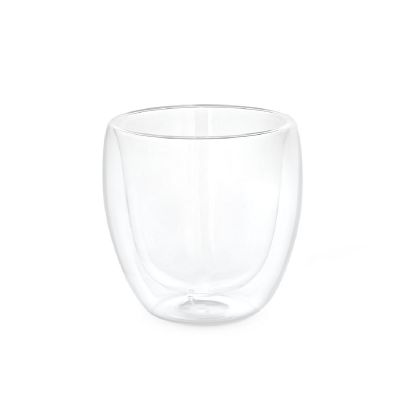
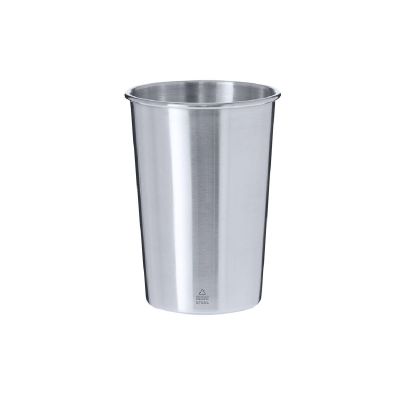
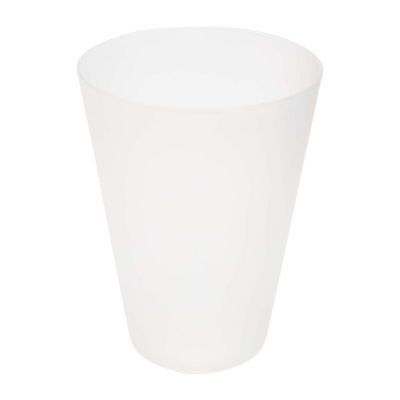
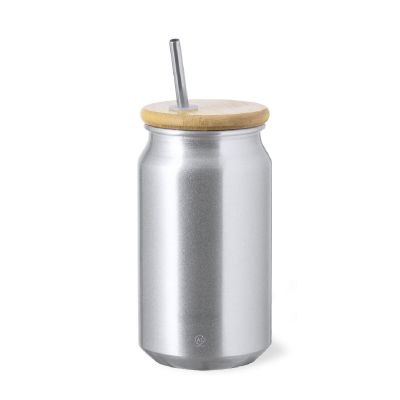
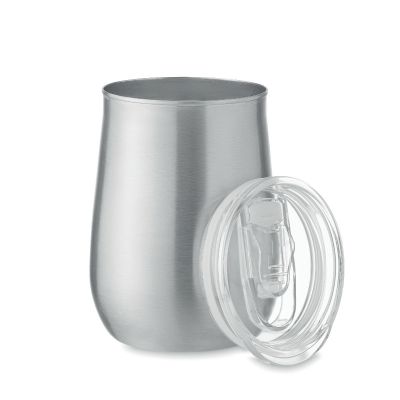
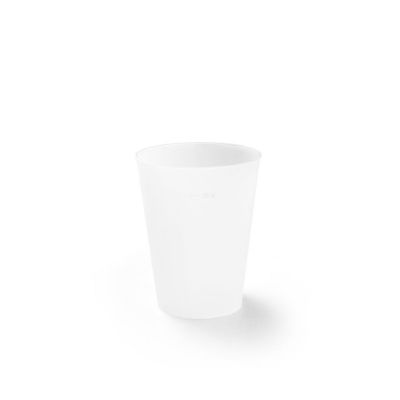
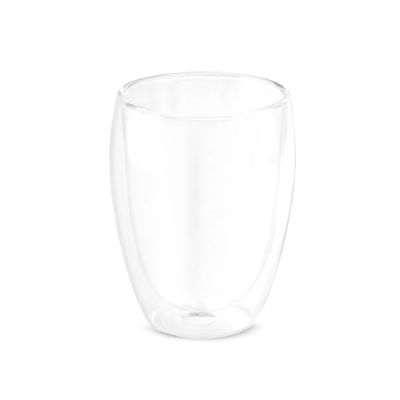
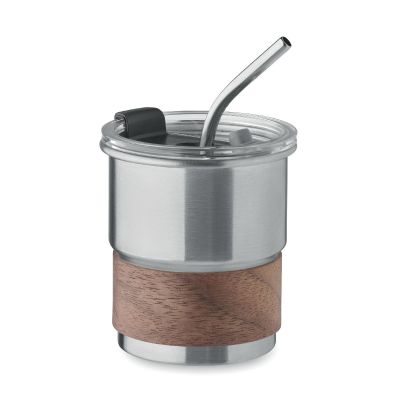
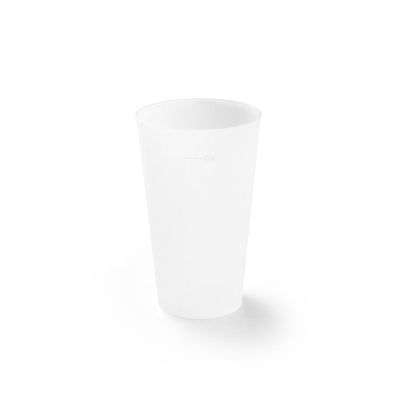
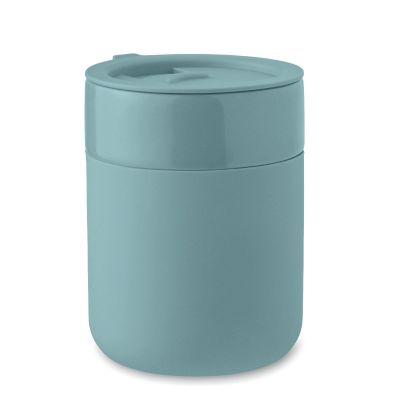
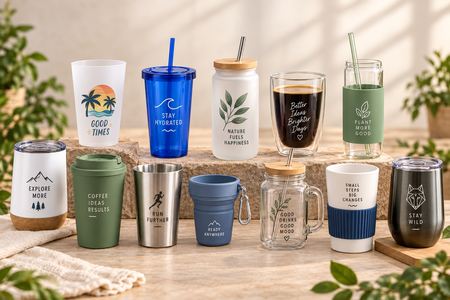
Among Personalised Cups, the most common family of materials is plastic, both standard and recycled. Materials such as polypropylene (PP) and polystyrene (PS) are the most frequent and make products lightweight, economical and impact-resistant. Silicone has similar characteristics and is used both as a main material and as an additional component; in the first case it increases flexibility, while in the second it improves grip. Glass is another typical material for Personalised Cups; its transparency and elegance also make it perfect for original and design-focused compositions. When it is borosilicate glass, it offers good resistance to thermal shock, while the recycled version combines refinement with greater attention to the environment. Metals such as stainless steel and aluminium are more robust and better suited to transport, while ceramic and porcelain provide a feel similar to Personalised Mugs and are a highly ecological choice because they come from clay, a natural resource available in abundance. Other green options include wood, bamboo and cork, which are durable and have a handcrafted appearance; however, they are more commonly used as a covering than as the main material. Paper, on the other hand, is one of the most economical materials and is also very lightweight and versatile.
Capacity and other details
Capacity is one of the main criteria when choosing Personalised Cups, because it determines how much liquid the cup can hold and helps define its size, practicality and use. Mini sizes are under 200 ml and are generally used for tastings, shots and sampling; small sizes go up to 300 ml and are ideal for coffee and smaller drinks. Medium sizes range from 300 to 400 ml and, as is often the case, are the most common and versatile; they are perfect for everyday use and suitable for all types of drinks. Large sizes go up to 500 ml and are suitable for soft drinks, cocktails and drinks intended to be enjoyed more slowly. Above 500 ml is the maxi size, ideal for prolonged use and often associated with beer. Personalised Cups can also include various additional details designed to make them more practical and comfortable to use. Closing and drinking are made easier by additions such as a lid, cap and straw, while grip and transport are easier with bands, grips and straps. Double walls and thermal insulation help keep drink temperatures more consistent, while anti-drip systems help prevent liquids from spilling.
Available models and formats
The variety of available models and formats makes it possible to choose the Personalised Cups best suited to each occasion and, once you know their main features, it becomes easier to identify the right solution for you and your needs.
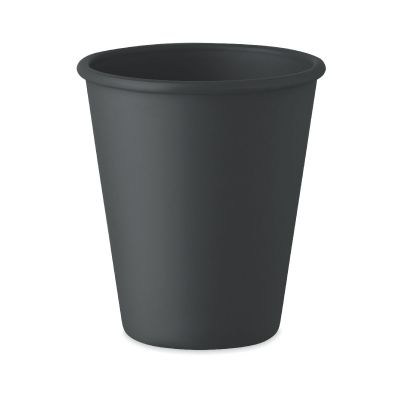
- Classic cups: the traditional model, without closures or accessories. Available in many materials and capacities.
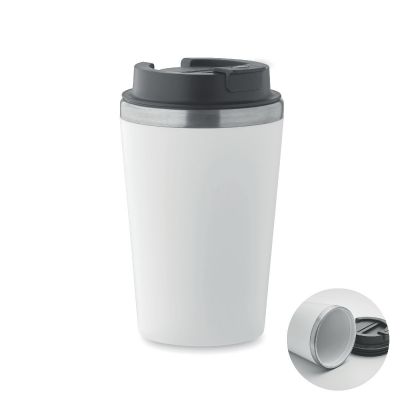
- Travel and takeaway cups: a very common group featuring lids, closure systems or insulation to make drinks easier to carry.
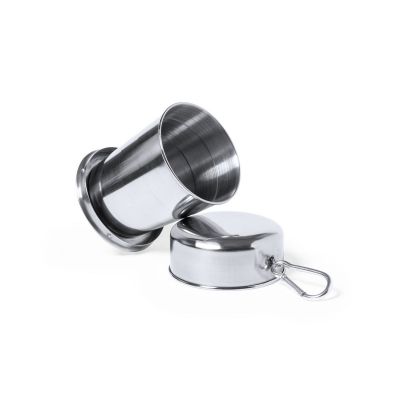
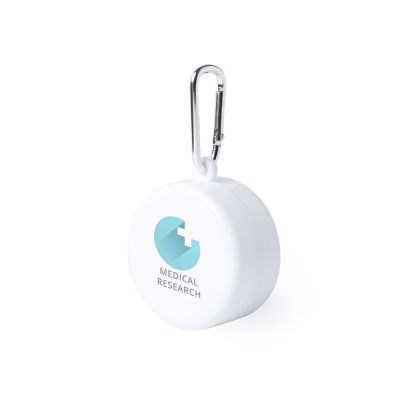
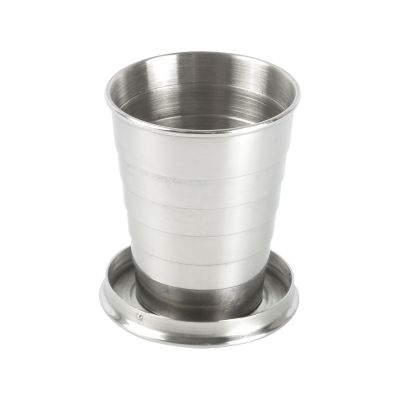
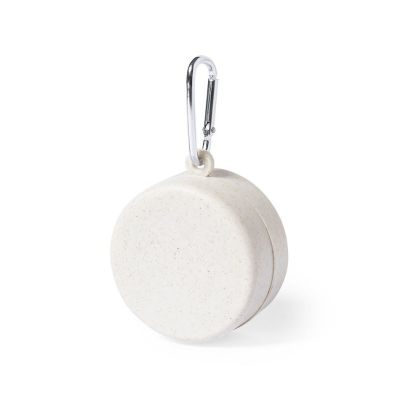
- Collapsible cups: models that fold down on themselves; they take up little space and are easy to transport.
- Shot and tasting cups: very small sizes mainly intended for coffee, spirits and bitters.
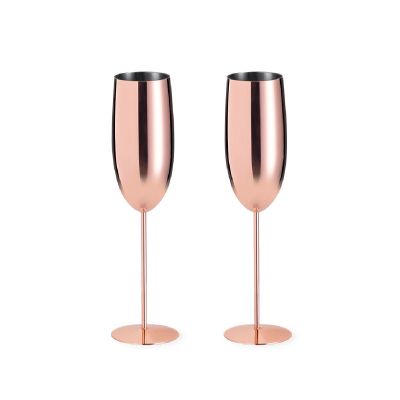
- Wine glasses: stemmed glasses specifically designed to pair with different types of wine.
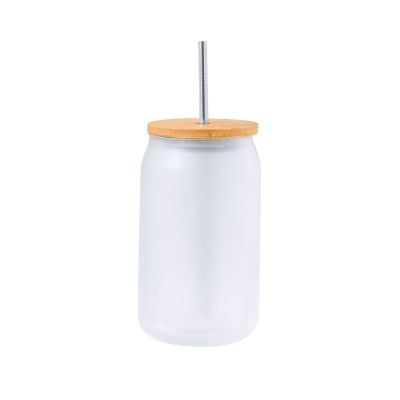
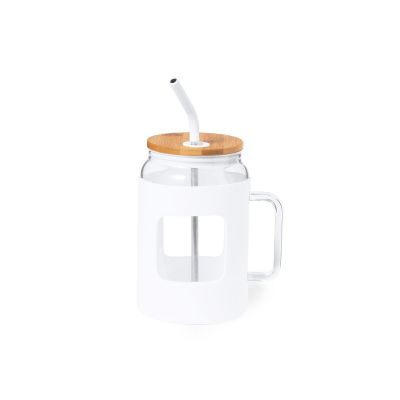
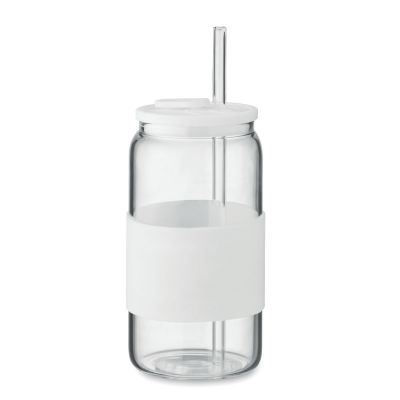
- Jar-shaped cups: modern and distinctive models shaped like jars or containers; they often include accessories such as a handle, lid and straw.
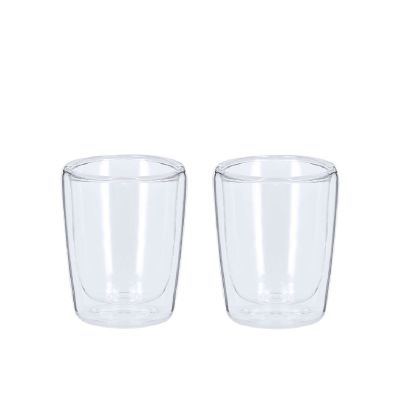
- Cup sets: packs containing two or more cups; they may occasionally include additional items such as a decanter or other matching pieces.
Printing techniques
Personalisation lets you decorate Personalised Cups in a distinctive and recognisable way, but not all printing methods are always available. Their application to individual products depends on several factors, mainly the material chosen, the composition of your logo and the available print area. Two of the most commonly available techniques are pad printing and screen printing, both economical, durable and able to reproduce up to four solid colours. Pad printing is particularly suitable even for very small print areas, while screen printing can create a raised effect that is pleasant to the touch. Engraving offers a more elegant result, but it cannot reproduce the colours of the logo because it does not use any ink. It can also create high-quality images and text with a durable, precise and resistant result. Some digital printing methods are also available, offering modern and vivid colour reproduction. UV LED printing has very fast production times, is versatile and can reproduce complex graphics in full colour. It is also one of the most environmentally friendly methods because the inks dry without solvent evaporation; however, it has higher costs than other techniques. An alternative is digital transfer, which also provides photographic-quality results with no limits on the use of colours; to achieve a good result, however, it requires a flat and even surface. For ceramic products, ceramic printing is also available, specifically designed for this type of material and resistant to microwaves and dishwashers; on the other hand, it cannot use more than ten solid colours.
Gift ideas and usage suggestions
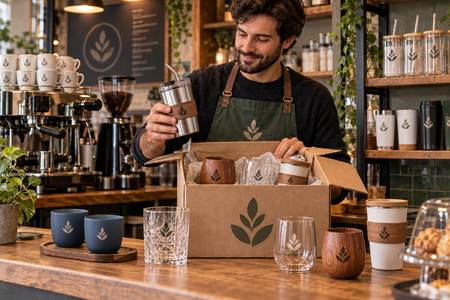
Because they are specifically designed to hold hot or cold liquids and drinks, Personalised Cups are certainly useful in all food & beverage settings. Bars, cafés and restaurants can use them for table service, counter service or takeaway, while wineries, breweries and distilleries can make the most of shot and tasting cups, offering customers a branded product consistent with both the venue’s identity and the drinks served. These products are also perfectly suited to other hospitality businesses: hotels, resorts and wellness centres can use them as functional and decorative items in rooms, pools and spas, as merchandise for the property, or as part of breakfast and catering services. Because they are reusable and have highly visible personalisation areas, Personalised Cups are also ideal for distribution at trade fairs, festivals and high-attendance events such as concerts, open days and public events. Companies and professional firms can also include them in corporate gift boxes for employees and customers, especially when paired with Personalised Water bottles & Sport bottles, Printed Coasters and Personalised Placemats, or place them in strategic areas such as coffee corners, meeting rooms and break areas, perhaps together with Branded Carafes and Personalised Chocolates.
If you need a more detailed overview or a practical checklist to help you choose the Personalised Cups best suited to you, download this document.
Personalised Cups - FREQUENT QUESTIONS
It depends on the intended use. For corporate gifts and hotel supplies, a set creates a more complete presentation and gives the brand greater prominence. A single cup is more practical for events, trade fairs, offices and large-scale distribution, where simplicity, unit cost and ease of delivery matter. Before choosing, also consider materials, capacity and available print areas.
Double walls and thermal insulation keep the drink hot for longer; a lid does the same while also making transport easier. Bands and grips can improve hold and comfort. For ceramic, glass, steel or plastic, always check the specific model features on the product page, because heat resistance, insulation, sealing and washing requirements are not the same for every material.
It depends on where and how you plan to use it. A classic cup is suitable for bars, restaurants, events and table service, where practicality and logo visibility are priorities. A model with a lid is better suited to offices, takeaway and travel. Also consider leakproof or anti-drip closures if you plan to carry it inside bags or backpacks.
Choose according to the drink you will pour into it. For tastings and small servings, sizes up to 100–200 ml are practical; for water, long coffee and soft drinks, 250–350 ml; for cocktails, soft drinks and many bar servings, 350–500 ml. For beer and larger servings, you can go above 500 ml. Always check whether the product page distinguishes between nominal capacity and usable capacity: for serving cups, this difference is important. Also consider materials and available print areas.
Personalised Cups that are lightweight, practical and offer a good balance between cost and print area are generally the most suitable choice. Reusable plastic and paper models are particularly suitable for large quantities, while for premium events you can opt for glass or metal, while considering weight, any accessories or finishes and the risk of breakage.
In this case, coordinated sets, travel cups and glass models or steel models work well, especially when presented in gift packaging. Details in bamboo, cork or wood can make the product more distinctive and original. For customers and partners, choose a durable, well-finished model; for welcome kits and employees, prioritise everyday usefulness and ease of transport.
It depends on the use. Plastic, especially PP, is lightweight and cost-effective for events and large quantities. Glass enhances presentation and works well for hospitality, catering and tastings. Metal is robust and suitable for travel cups and corporate gifts. Before choosing, also consider the drink, frequency of use, budget and type of personalisation.
It depends on the individual product. The most commonly available areas are on the body of the cup and include the front, back, upper or lower section; if the printing method and model allow it, circular and wraparound personalisation may also be possible. On some items, the lid, strap, band, packaging or set components can also be branded. The position and maximum size of the print area are always indicated in the “Print information” section of the individual product page.
It depends on the chosen material, the result you want to achieve and the characteristics of your logo. Engraving is particularly suitable when colours are not essential and you want a discreet, elegant and durable personalisation. Printing is more suitable when you want to reproduce your brand colours and need your design to be clearly visible. Also consider more economical techniques such as screen printing and pad printing depending on your available budget.
Yes, this option is available for most Personalised Cups. Simply go to the selected product page, click “BUY SAMPLE” and complete your purchase. This is an extremely useful solution, especially before a large order: by ordering a sample, you can assess the product’s dimensions, material, capacity and finishes in person.