


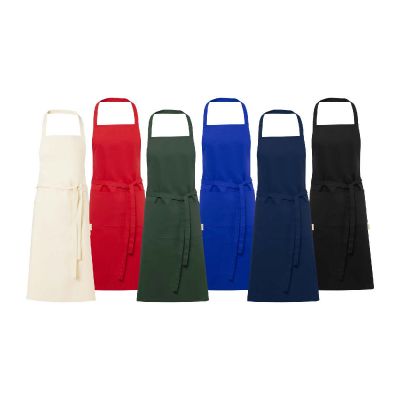
Guide to choosing Corporate Branded Aprons
Comfortable to wear and useful for protecting clothes from stains and splashes, Corporate Branded Aprons are practical, versatile garments suited to many everyday activities. The different formats make it easier to choose a suitable style for each setting, while size, fabric and accessories affect comfort, protection and durability. Customisation also helps companies make their staff recognisable at work and present a tidy, coordinated image.
Materials
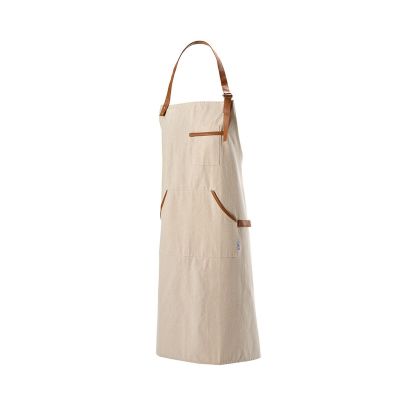
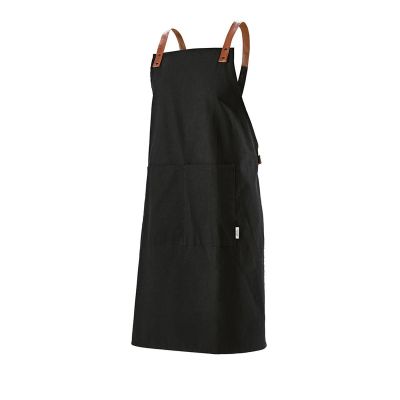
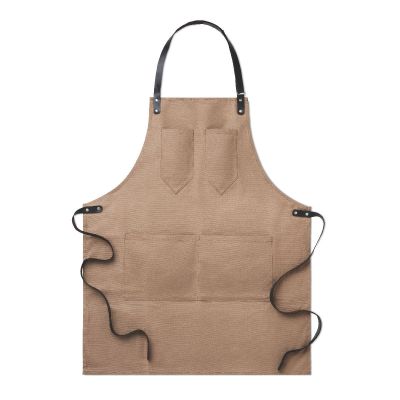
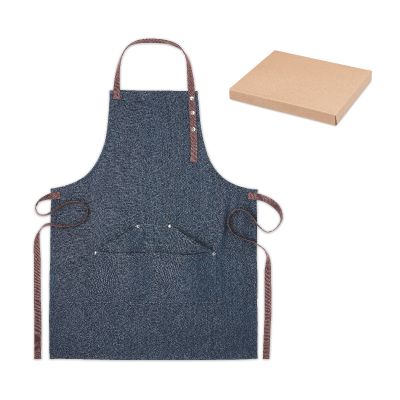
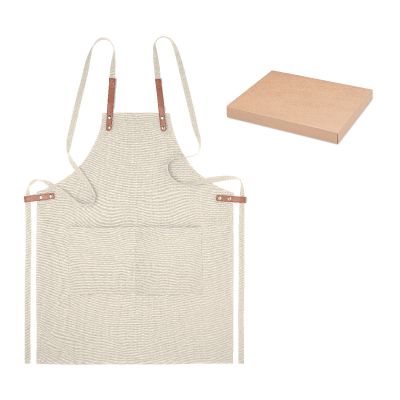
Fabric composition is an important consideration because it affects comfort, durability and ease of care. The most common material is cotton, which is breathable and pleasant to wear. It is also available as organic cotton, grown using more environmentally considerate methods, and recycled cotton, made using recovered textile fibres. Polyester dries quickly and offers good resistance to creasing and wear. Similar qualities can be found in RPET, a type of polyester made from recycled plastic materials. Polycotton combines the breathability of cotton with the easy-care properties of polyester. A lighter, more economical option is non-woven fabric, particularly suitable for occasional, short-term use. Accessories vary too: ties and pockets are generally made from cotton or polyester, whereas buckles and adjusters may be metal. Some models have leather or imitation-leather details that give a more refined, handcrafted appearance.
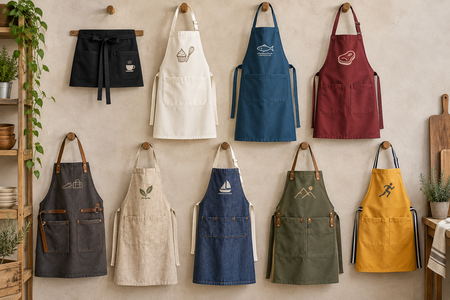
Sizes and formats
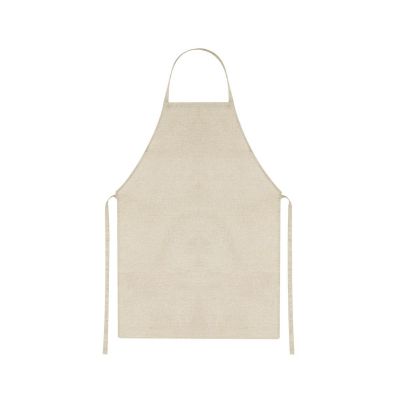
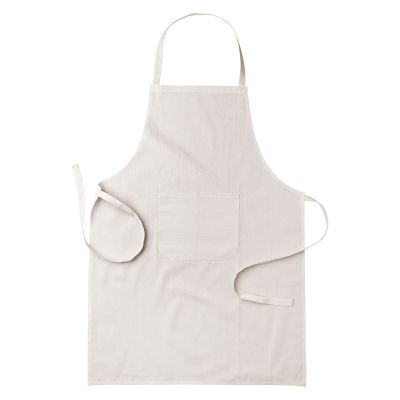
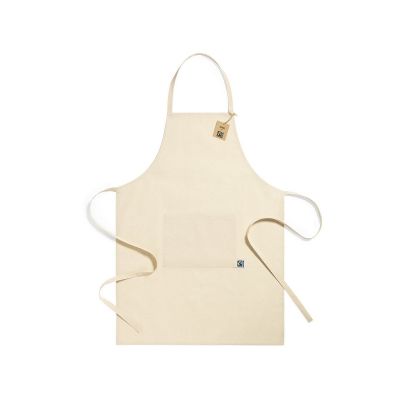
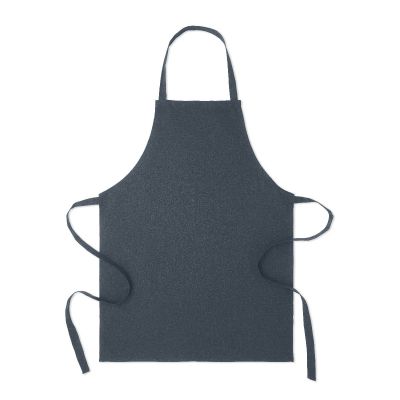
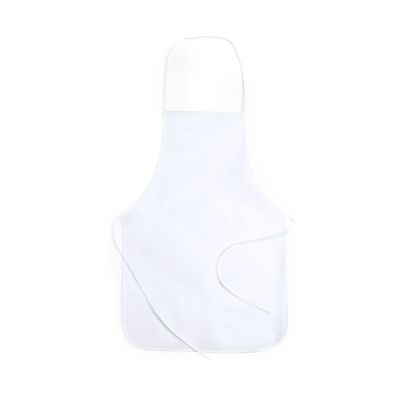
Corporate Branded Aprons come in several formats, with different widths and lengths. Both dimensions affect the level of protection and comfort during use.
- Short aprons: fasten at the waist and cover mainly the hips and upper legs, leaving the torso free. Sizes range from approximately 54 × 30 to 90 × 40 cm.
- Mid-length aprons: provide more coverage, generally reaching above the knee. Examples include 50 × 73 and 63 × 83 cm.
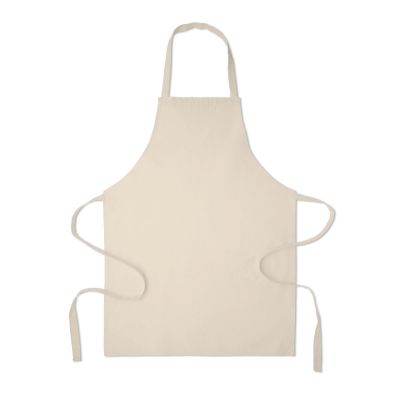
- Long aprons: normally feature a bib and protect the torso and much of the legs. Common sizes include 65 × 90, 70 × 90 and 75 × 90 cm.
- Extra-long aprons: extend to or below the knee for greater protection and may measure up to 80 × 100 cm.
- Children's aprons: have smaller proportions suited to younger wearers, with indicative sizes of 43 × 43 and 48 × 64 cm.
Functions and accessories
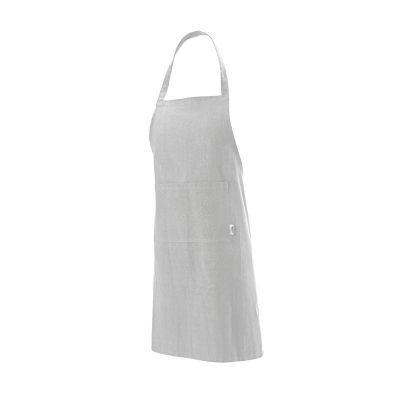
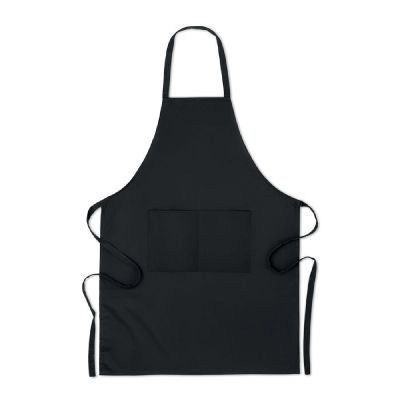
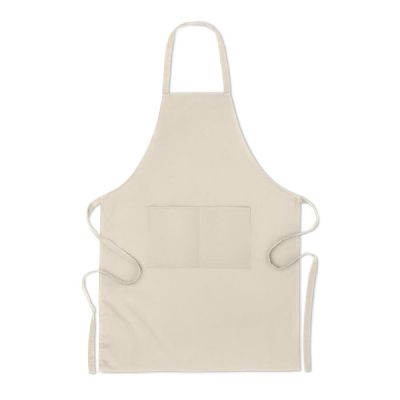
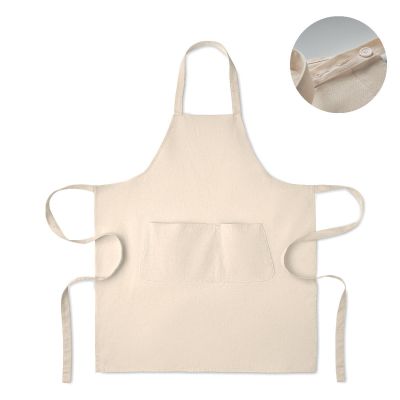
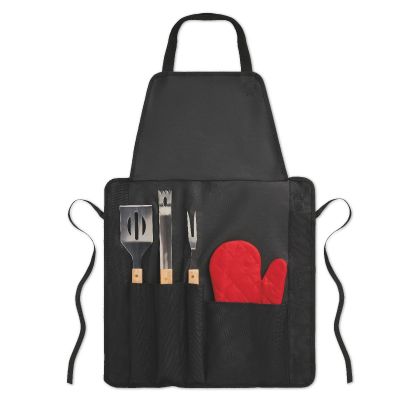
The main purpose of an apron is to protect clothing from stains, splashes and dirt. In the kitchen it protects clothes while preparing food and drinks, while in painting, pottery and gardening it helps shield them from paint, dust and soil. It can also be handy for quickly drying hands during certain manual tasks; waterproof models offer increased protection against water and other liquids. Additional features make an apron more practical to wear. The most common are pockets on the chest, front or sides. They may be single, double or divided into compartments to hold utensils and small items. A secure fit comes from waist ties and shoulder straps: ties fasten the garment at the waist, while straps support the upper section and, when crossed at the back, help distribute its weight. Buckles and buttons allow adjustment and fastening, while reinforcements and strong stitching improve durability in areas subject to pulling and wear. Some aprons also include additional accessories, such as bottle openers, barbecue tools or felt-tip pens.
Customisation
Printing and embroidery can add logos, wording and graphics to aprons, making them distinctive and easy to recognise. Not every method suits every product: the choice depends on the fabric, the artwork and the available branding areas. Screen printing is often available and is particularly suitable for simple logos in a few solid colours. It gives crisp results and can be cost-effective for larger quantities. Transfer printing applies artwork to fabric using heat and pressure, producing a sharp, well-defined design. However, it is limited to eight solid colours and direct ironing may damage the print. For more complex logos featuring several colours, gradients and fine details, choose digital transfer. Where the product permits it, this method can also cover large print areas, but it works best on smooth, flat surfaces. For a textured, traditional finish, embroidery uses coloured threads to create a slightly raised, durable decoration with a smart appearance. Some models also allow full-colour embroidery for multicoloured logos or 3D embroidery for a more pronounced three-dimensional effect.
Gift ideas and suggested uses
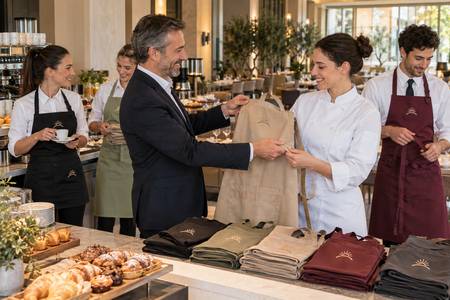
Versatility and practicality are particularly valued in workwear because they make day-to-day tasks more comfortable and efficient. Corporate Branded Aprons therefore suit many sectors. In restaurants, hotels and agritourism venues, they can be worn by kitchen and waiting staff, as well as in bars, cafés, pubs and wine bars. These businesses can pair aprons with Printed T shirts and Personalised Shirts to create coordinated staff clothing that reflects the venue's colours and style. In bakeries, patisseries and delicatessens, aprons are useful both when preparing food and when serving customers. They also suit butchers and fishmongers, including departments in large retail stores. Cooking schools and teaching workshops can supply aprons to participants alongside Personalised Placemats, items from the Promotional Kitchen utensils & cutlery category and Personalised Chopping boards. Besides being useful during lessons, these items can become a keepsake to take home. Aprons also have a role in crafts and retail: potters, painters and florists can use them to protect their clothes and keep small tools close at hand. They are equally practical for employees in garden centres and DIY shops who move around regularly and carry out different tasks.
If you would like more information or a practical checklist to help choose the right Corporate Branded Aprons for your needs, download this document.
Corporate branded Aprons - FREQUENT QUESTIONS
Choose aprons that cover clothing well and remain comfortable over long shifts. Cotton and polycotton are common choices; where staff regularly work with water or splashes, consider models explicitly described as waterproof. Pockets can make everyday tasks easier, while ties help distribute the apron’s weight more evenly.
For craft work involving materials and tools, choose hard-wearing aprons with reinforced stitching and roomy pockets to keep equipment close at hand. Lighter, more comfortable models may be better if worn for many hours or in a shop open to customers. In both cases, adjustable ties and easy-clean fabrics make everyday use more practical.
Base your choice on how the apron will be used. Cotton suits people who wear an apron for long periods, such as kitchen and workshop staff. Polyester is practical for events and jobs involving frequent washing and short drying times. Polycotton offers a compromise for everyday use in bars, restaurants and shops, combining comfort with easy care. Consider organic or recycled cotton if you also want to give greater weight to environmental considerations.
It depends on the task and the protection required. Short aprons suit table and counter service where freedom of movement is important. Mid-length styles suit shops and lighter tasks that call for extra coverage without excessive bulk. Long aprons are better for kitchens, bakeries and craft workshops where the torso may become dirty. Choose extra-long formats when the legs also need protection from splashes and stains.
For events and temporary activities, lightweight aprons made from non-woven fabric or cotton are versatile and easy to distribute. Supermarket and large-retail employees who wear them daily may benefit more from heavier fabrics, pockets and adjustable ties. A waterproof model may help in departments exposed to frequent splashes. Choose the format according to the need for movement and protection.
Consider how often the apron is used and the type of work. Lightweight aprons of up to around 150 g/m² suit occasional use and events. Fabrics of 180–240 g/m² offer a useful balance for everyday use in bars, shops and restaurants. For more demanding work in professional kitchens or craft workshops, consider 280–350 g/m² or more. Fabric type, weave and stitching also affect durability.
Yes. This option is available for most Corporate Branded Aprons. Open the product page, click the sample purchase option and complete checkout. A sample helps you assess the fabric, comfort, size and colour in person.
It depends on the product. Common positions include the chest, centre or side, pockets and lower section. Some models also allow printing on the back or shoulders, or across the entire surface. Each position has its own maximum dimensions and compatible branding methods. See the Printing information section of the relevant product page for details.
The choice depends on your logo and the finish you want. Choose embroidery, sometimes available in full-colour or 3D versions, for a traditional, refined look. Screen printing may be more economical for a simple logo and a limited budget. Transfer and digital transfer are suitable for reproducing more detailed, colourful artwork sharply. Availability always depends on the fabric and permitted print areas, so check the individual product page.
Yes. If the model is offered in several colours, you can select the quantity required in each available shade. This is useful for distinguishing staff roles or departments, or matching aprons to different company uniforms. You can also vary the colours for events and promotional activities while keeping the same apron model and making customisation simpler and quicker.