



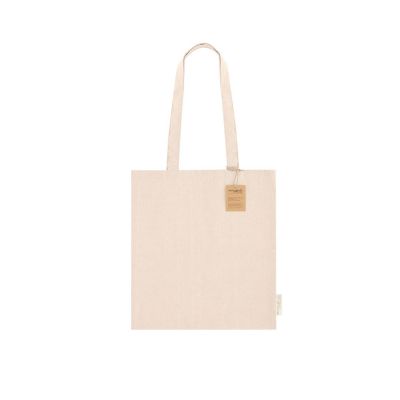
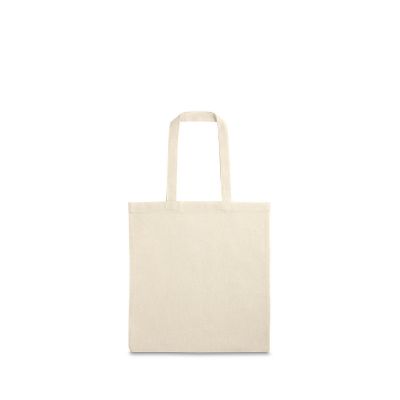
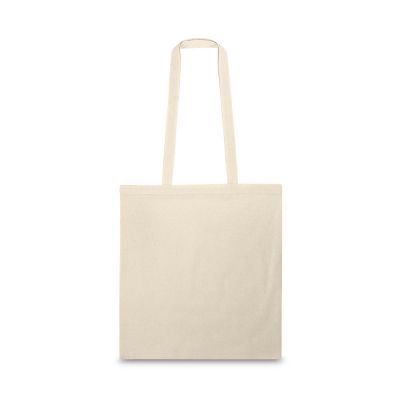
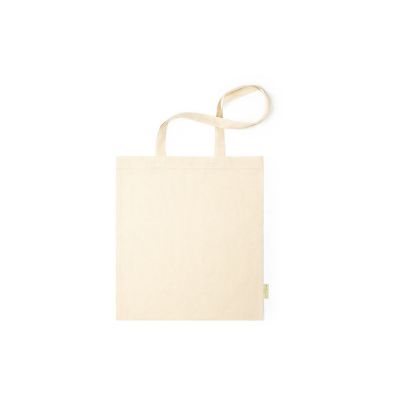
Choosing guide for Personalised Tote bags
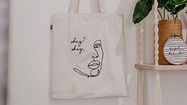
Practical, versatile and reusable: personalised tote bags are now among the most widespread and recognisable promotional items worldwide, useful in everyday life and appreciated by people of all ages. However, the wide range of available materials and formats is what really makes the difference: the many alternatives allow tote bags to adapt perfectly to the needs of numerous business sectors. Each model has its own colours and features but, often, what stands out most is the customisation. Such a broad choice also brings an equally broad range of print methods. There are therefore no limits to creativity, so every company can apply its brand and distinctive characteristics in the way it prefers.
Available materials
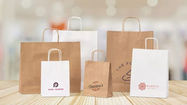
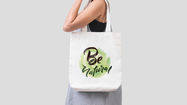
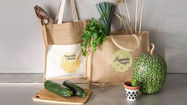
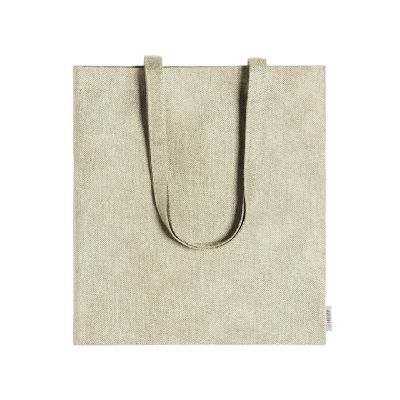
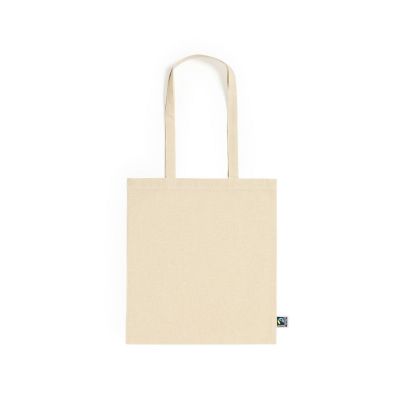
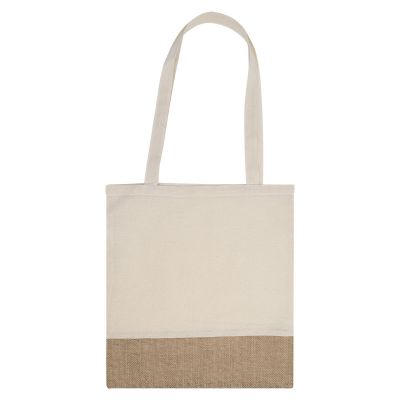
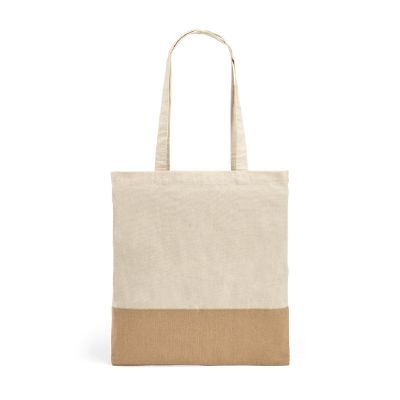
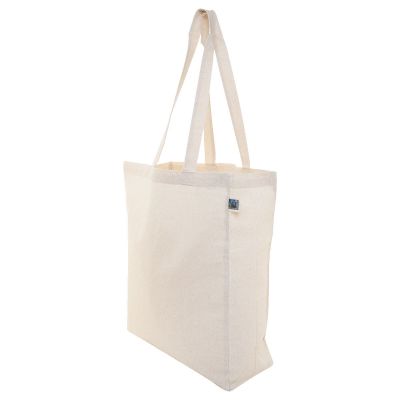
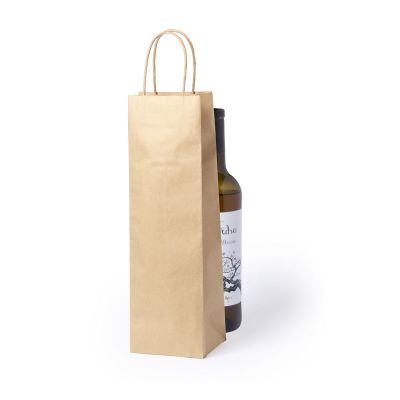
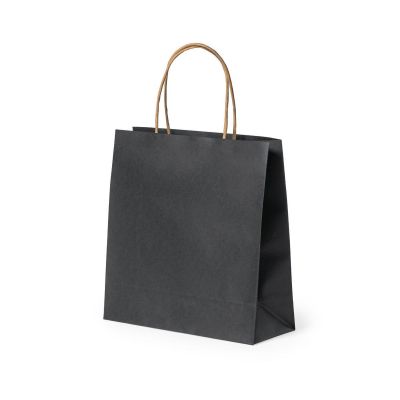
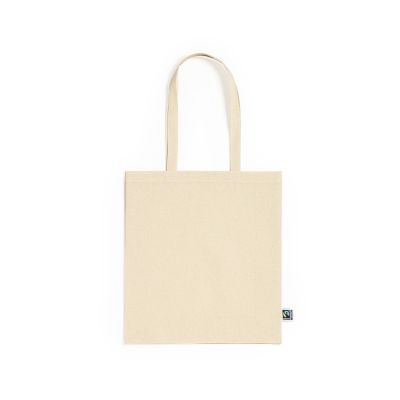
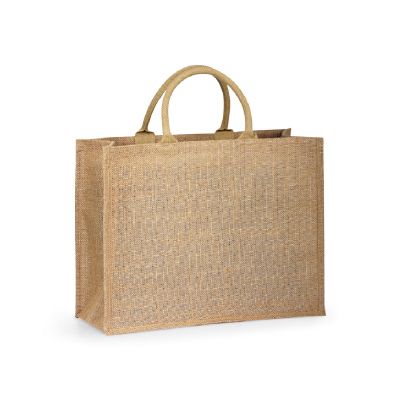
The composition of personalised tote bags is extremely varied and changes from product to product, as individual models can be made from a single material or a combination of two or more elements. Fabrics are by far the most common, with cotton, jute and canvas taking centre stage thanks to their durability and sustainability. Other similar materials, also highly appreciated for their strongly eco-friendly nature, include RPET, cork and hemp, a modern material whose many uses are increasingly appreciated. If, on the other hand, you are looking for alternatives that are just as durable but also light and economical, you can choose polyester, polypropylene and non-woven fabric. Other popular options include paper, whether standard or kraft, cloth and PVC.
How to distinguish the different formats
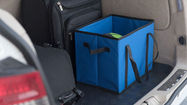
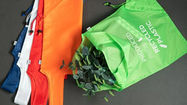
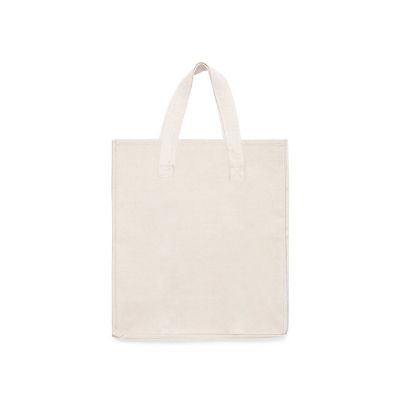
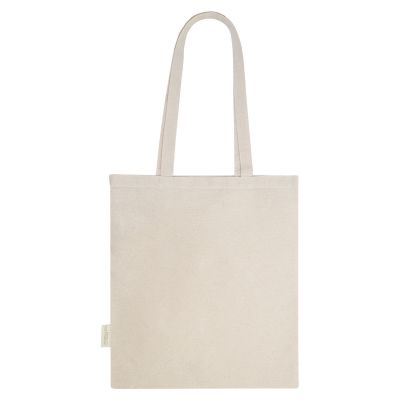
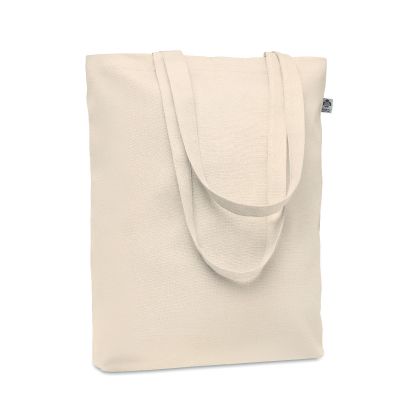
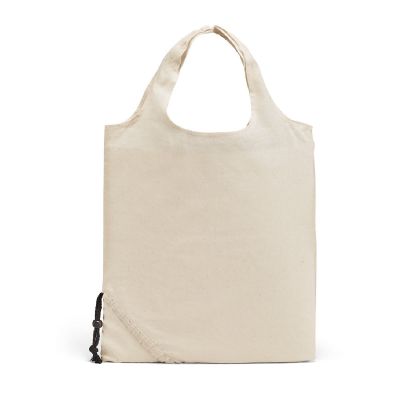
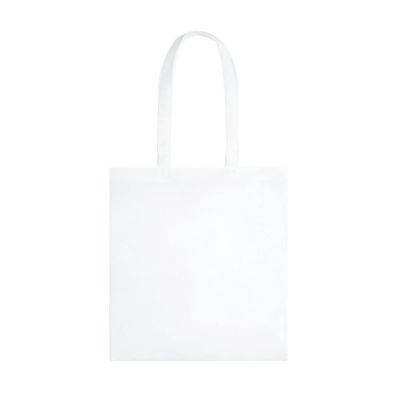
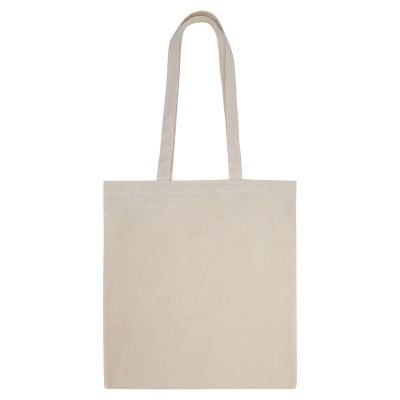
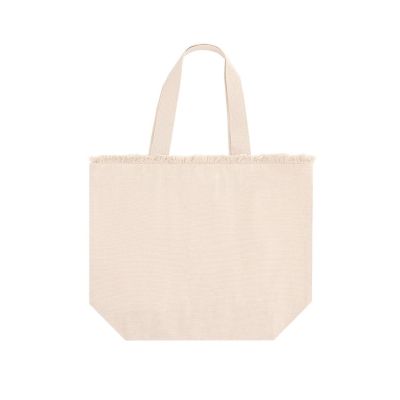
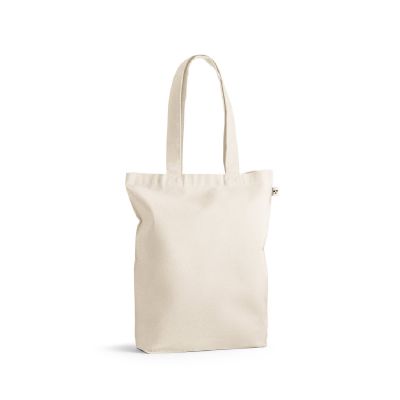
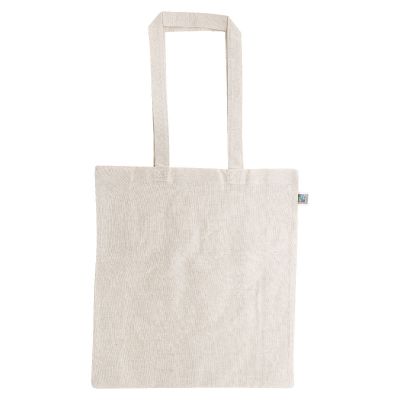
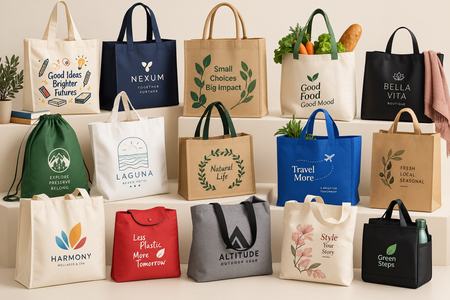
Available formats vary according to the size, details and shape of personalised tote bags. The standard format is rectangular and represents the classic tote bag, perfect for everyday use and widely used as a corporate promotional item. Tote bags developed in a horizontal format favour width and can also be used as beach or shopping bags because they are very roomy, especially in large and extra-large sizes. They also make it easier to carry bulky or oversized shopping and products. In contrast, the vertical format is much narrower and taller, making it easier to carry bottles and similar products. If you are looking for a smaller bag, the medium format is recommended, usually more compact and less bulky than other options. Another much-requested feature in personalised tote bags is flexibility. Products that focus on it include gusseted tote bags, where the position of the gusset increases capacity and depth, or foldable shopper bags. The latter include various details, such as transparent mesh sections, different closures and the gusset itself, which make them practical and particularly suitable for anyone who needs reusable bags for everyday shopping.
Closures, colours and other details
Closures on personalised tote bags also vary from product to product. In many cases there is no closure at all, while in others it may be a zip or drawstring. Possible alternatives include a carabiner, clip or Velcro closure, the latter often also used to allow the tote bag to fold in on itself. Beyond size, the most noticeable detail is the construction of the handles, an almost essential feature of any bag. Depending on the model, these may be smooth or textured, rigid or soft and, together with seams and the base, may even be reinforced. The colour range is also very wide, from numerous shades of classic colours to more distinctive tones such as turquoise, purple, burgundy and rainbow. Those choosing eco-friendly tote bags will also find a natural colour based on the characteristics of the material used.
Possible print methods
The most suitable print method depends on the tote bag material, type of artwork, number of colours and area to be customised.
Screen printing is particularly suitable for logos, text and artwork with a few solid colours. It provides a sharp, durable print and is available on many models and materials.
Transfer applies the artwork to the tote bag using heat and is also suitable for large customisations and detailed graphics with solid colours.
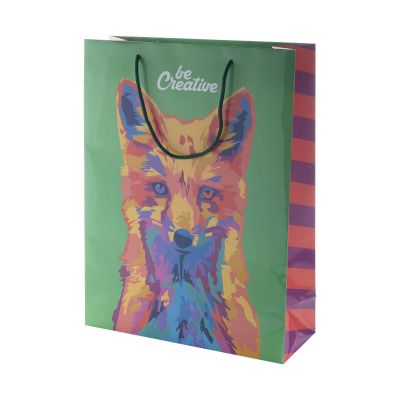
For photographs, gradients and images with many colours, techniques such as digital transfer or DTF printing on fabric can be considered, allowing highly detailed, full-colour results.
Some models also offer embroidery, suitable for a durable and more premium textile customisation, and sublimation, used only on compatible materials.
Not all techniques can be applied to every tote bag: the product page lists the available techniques, positions and maximum dimensions of the print area for the selected model.
Tips and ideas for use
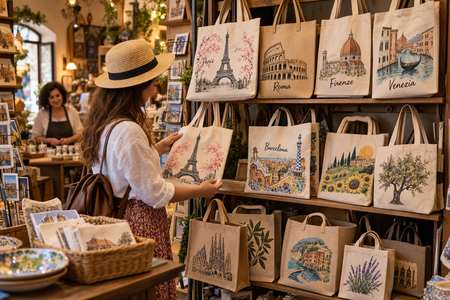
Personalised tote bags are not useful only to one type of company; on the contrary, their extreme versatility and fashionable appeal make them suitable for many sectors. In tourism, they are now a must as souvenirs from museums and attractions. Their distribution can also create a strong sense of belonging in places such as schools, universities and associations, while leaving a pleasant memory for people who have attended trade fairs, conferences and events of various kinds. What gives this product most value is, in fact, how often we use it every day. Personalised tote bags are with us day after day and, by seeing them repeatedly, we associate their logo and images with our daily routine. This is why such an item is chosen both by major brands and by ordinary clothing shops or food&beverage businesses. By combining it with other everyday items such as personalised water bottles & sport bottles and personalised pens, every company can create a practical everyday kit that helps build loyalty among customers or employees.
If you need further information or a practical checklist to help you choose your personalised tote bags, download this document.
Personalised Tote bags - FREQUENT QUESTIONS
Tote bags with long handles are especially suitable if you want to carry the bag over your shoulder and keep your hands free, which is very useful for shopping, trade fairs and everyday use. Short handles are better suited to carrying the bag by hand and work well for packaging, events and gift wrapping. When choosing, also consider the size of the tote bag, the weight of what it will contain and the actual length of the handles.
The load capacity varies by model, material, seams and handle construction. When specified, you will find the relevant load capacity or resistance on the product page. If you plan to carry catalogues, bottles or other heavy objects, also consider the material weight, handle strength and the presence of a gusset.
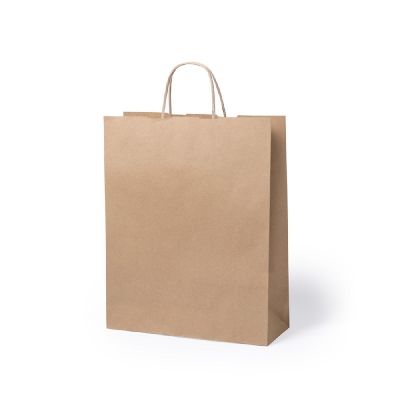
This choice depends mainly on how you plan to use it. A bag is perfect for packing and carrying small, lightweight items and is therefore suitable for businesses such as pharmacies, bookshops and food stores. A fabric tote bag, on the other hand, is designed for continued use over time and is very useful for increasing brand visibility even after purchase. These features make it suitable for trade fairs, welcome kits and promotional initiatives.
Tote bags for daily or weekly shopping should be roomy, durable and reusable. Foldable models and those that close into themselves are therefore very practical because they take up little space when not in use. Gusseted tote bags make it easier to fit bulky products inside. For heavier loads, however, it is also useful to check load capacity, material and handle strength.
The choice depends mainly on what the tote bag needs to contain, the number of pieces to be distributed and the type of event. For brochures and catalogues, it is important to check that the format is suitable; for larger welcome kits, a gusseted model may be useful. For high-volume distribution, you can choose simple and lightweight solutions, while for more refined events you can consider higher-quality materials and finishes. If sustainability is central to the initiative, tote bags made from recycled, organic or natural materials are also available.
Yes, many models can reproduce photographs and graphics with lots of colours, but this depends on the available print area and the type of technique selected. The available techniques are always listed on the product page.
It depends on the tote bag material and the technique used to customise it. Some textile tote bags can be washed, but temperature and washing method may vary; other materials, such as paper, are not designed to be washed. The print may also require specific care. Before washing, it is therefore always advisable to check the instructions for the product and the customisation.
Many models can be customised on both sides, but this varies from product to product. To check the available positions, the size of the print area and the suitable technique for a particular model, always refer to the product page.
The choice depends mainly on the material, type of artwork, number of colours and area to be customised. Screen printing is particularly suitable for logos, text and graphics with a few solid colours. For photographs, gradients and highly detailed images, digital techniques such as digital transfer or DTF can be considered when available. On some materials and models, embroidery, textile transfer or sublimation can also be used. The product page always lists the techniques compatible with the selected tote bag.
Yes, in most cases you can. When this option is available, you will find it on the product page. Simply click on “BUY SAMPLE” and complete the order. Once you receive the item, you can decide whether it is right for you or whether another model would be more suitable.