
Choosing guide for Printed Sweatshirts
Printed Sweatshirts are practical, modern garments, especially valued for their versatility. The range of fabrics makes them suitable for work, leisure and physical activity, while sizes and fit determine comfort and how closely they sit on the body. Additional details distinguish the different models and help you select the most suitable option for each need. Customisation is what makes them unique and recognisable. Several print methods are available and, by choosing the one that best suits the product and your logo, you can showcase your brand effectively and increase its visibility.
Sizes
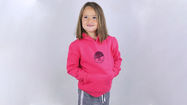
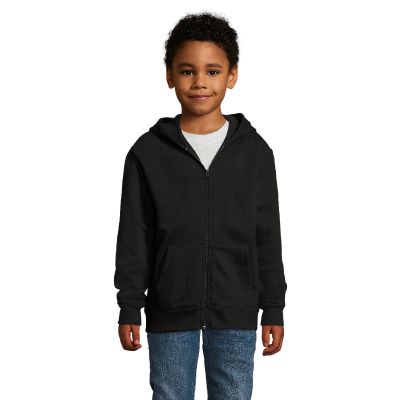
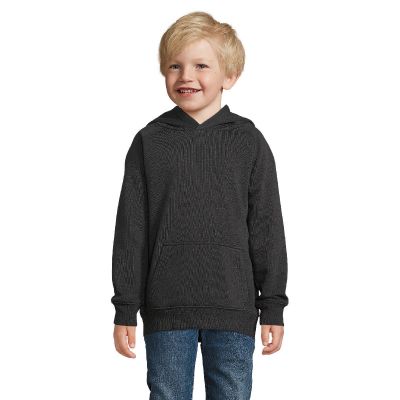
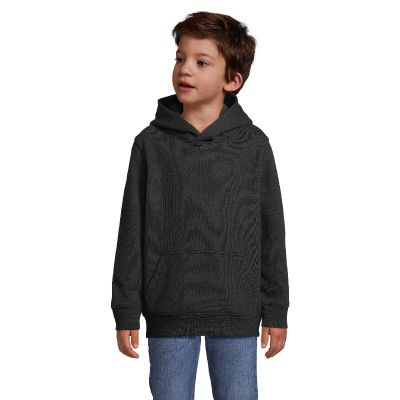
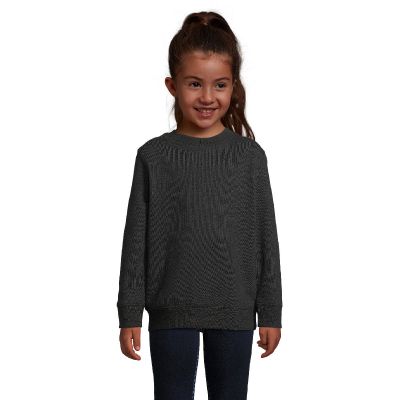
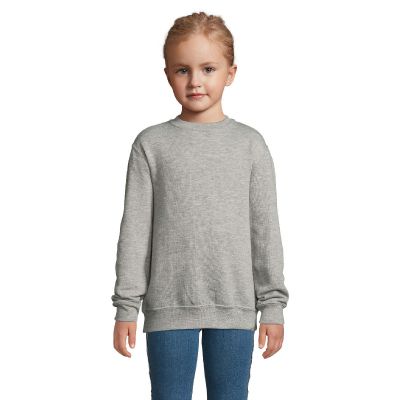
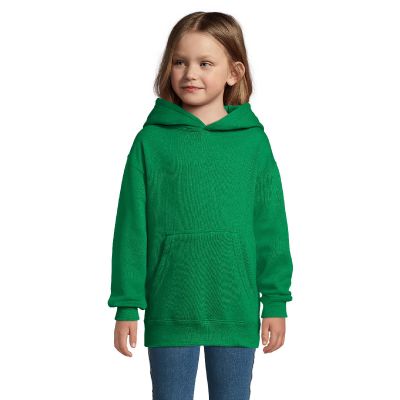
Printed Sweatshirts are available in a wide range of sizes, but an important distinction needs to be made. While men's and women's models use traditional sizing, Custom Kids' sweatshirts follow a system designed for younger wearers. For adults, the reference system is usually alphabetical, specifically from XS to 3XL; the most widely available core range is S to XXL and covers almost all common sizes. For children, sizing based on age is much more frequent. Sizes generally cover ages 2 to 12 and are often divided into age bands, such as 5/6 and 9/10 years; here too, the central age groups are usually the most widely stocked. Some models instead use alphabetical sizing or measurements expressed in centimetres, allowing a particularly precise choice based on height.
Fabrics and compositions
The material most commonly used for Printed Sweatshirts is cotton, a natural, breathable and comfortable fibre available both in its standard form and in several variants. Combed cotton, for example, feels smoother and softer, while organic cotton and recycled cotton retain the main characteristics of conventional cotton while placing greater emphasis on sustainability. Among synthetic fibres, polyester is the most common: it is lightweight, durable and quick-drying. RPET has similar characteristics but is made from recycled material. Both are widely used in technical garments and fleece. Polyamide and elastane are used to provide tear resistance and stretch respectively. Many garments combine two or more materials in different percentages to create an even more practical and versatile product. Cotton and polyester are the most common blend, producing Printed Sweatshirts that are soft, breathable and durable.
Fit and other details
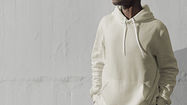
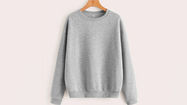
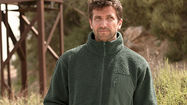
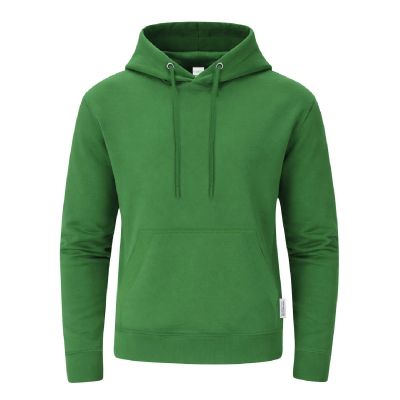
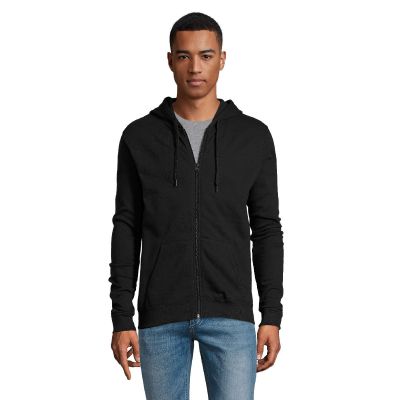
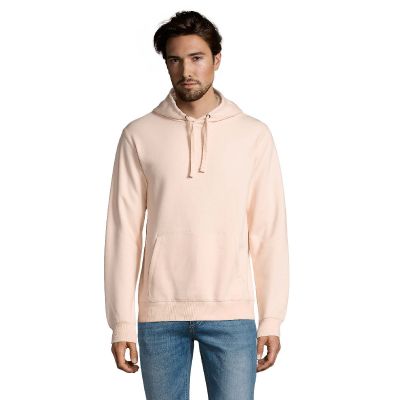
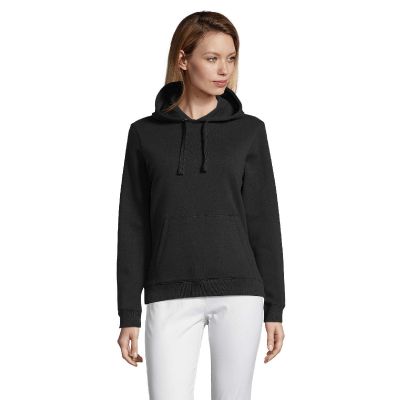
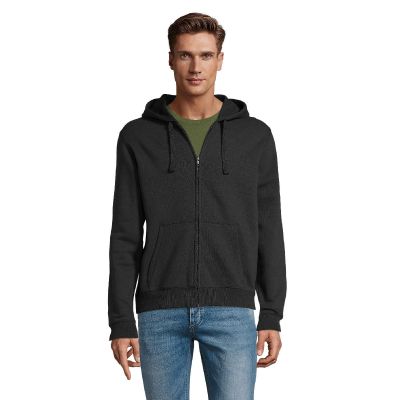
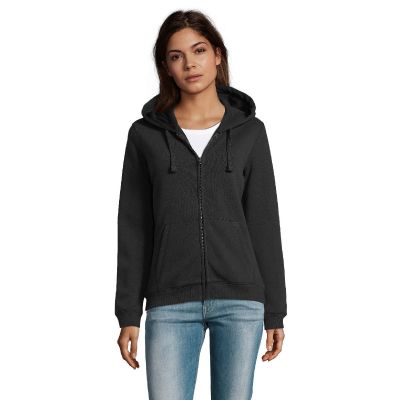
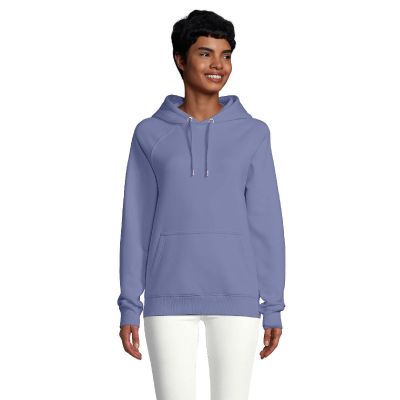
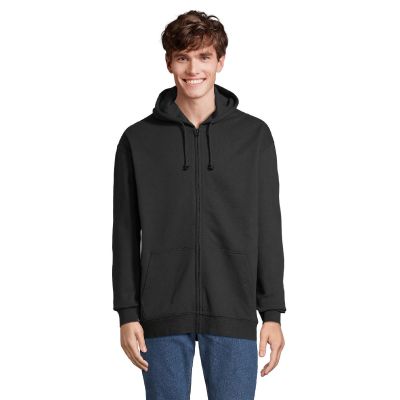
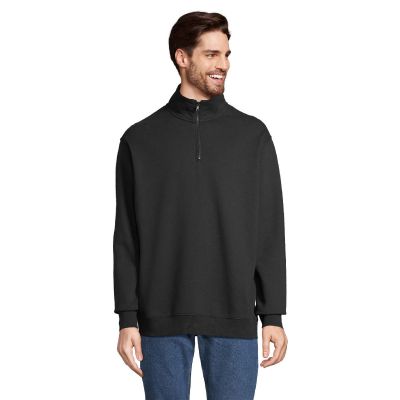
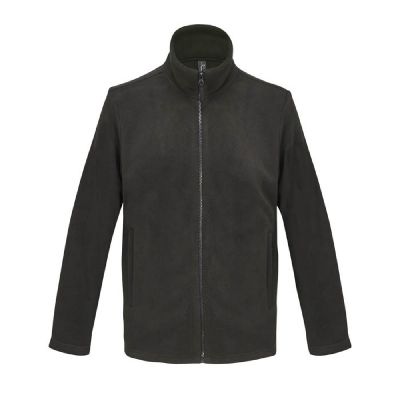
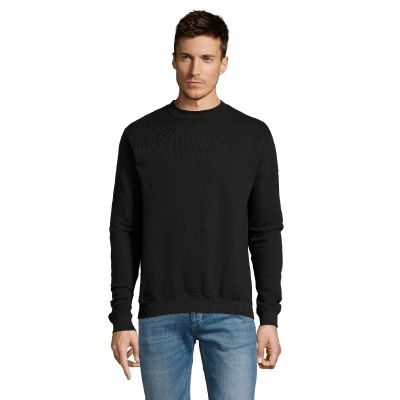
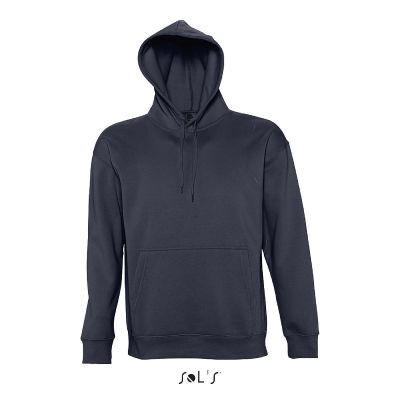
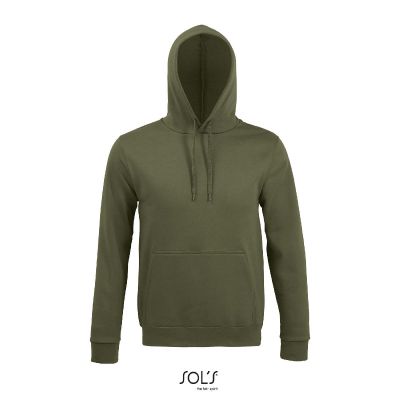
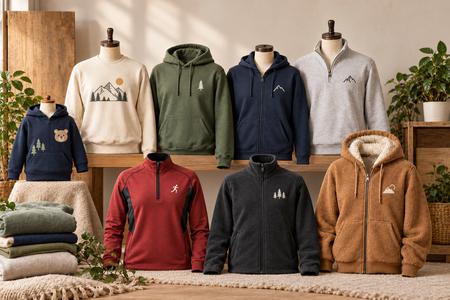
Fit is one of the most important characteristics of Printed Sweatshirts because it affects comfort, freedom of movement and appearance. The most common is regular fit: classic, versatile and suitable for different users. Oversized fit is noticeably roomier and more relaxed, giving a modern, contemporary look. A close or sports fit sits nearer the body and is often combined with technical or stretch fabrics; it stands out for its dynamic appearance and greater stability during movement. Other relevant details define the shape and functionality of each model. Custom Zip sweatshirts are easy to recognise because they feature a zip that makes opening and closing easier; it may be full length, half length or quarter zip. Pockets, when included, may be kangaroo-style or zipped and positioned at the front or sides. They are particularly useful on workwear because they allow small and medium-sized items to be kept close at hand. Sleeves are present on every model and, in addition to being long to the wrist, may be set-in, the classic construction sewn directly around the shoulder; raglan, with a sportier structure and a seam running from the underarm to the collar; or, on some models, fitted with thumb holes. For extra protection you can choose Personalised Hoodies, while for a classic solution Personalised Jumpers offer a simple and versatile alternative. Collars and high necks are common on technical models, while a V-neck gives a more elegant appearance. Many garments also feature a removable label, specifically designed for rebranding and private label projects.
Available print methods
Customisation is the main distinctive feature of Printed Sweatshirts and is made possible by the many available print methods. Their suitability varies according to several factors, including the material, the characteristics of your artwork and the branding area available on the product. If you want a durable, elegant result that withstands washing, you can choose embroidery, which also does not require additional materials such as plastics or inks. It is not suitable for reproducing overly detailed logos but can use up to twelve colours in its standard version, while the full-colour version has no colour limit. Digital methods are also widely used on Printed Sweatshirts because they can reproduce detailed, colourful graphics. Digital transfer, for example, prints in full colour and, where the product allows it, can also use very large branding areas. DTF printing on fabric offers the same advantages and is also suitable for small quantities. Transfer printing and screen printing are more traditional techniques. The first transfers the image directly onto the product using a heat press and provides detailed, durable, high-quality graphics, with a limit of eight solid colours; the second uses up to four colours, is one of the most economical techniques available and creates an attractive raised effect that is pleasant to the touch.
Gift ideas and usage suggestions
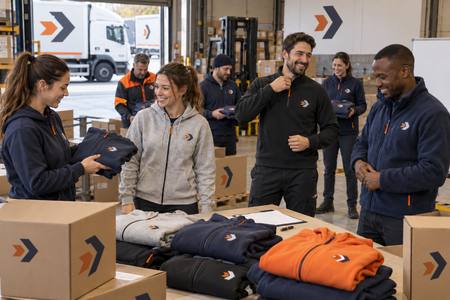
Printed Sweatshirts are now among the most widely worn garments both in private life and at work. Their large-scale popularity actually developed from the workplace: early models were designed to provide warmth and practicality for workers and athletes, qualities that still make them useful in many professional settings. In sport, they are useful for training and pre-match warm-ups, and they are often worn by teams and technical staff during matches, travel and daily activities. In corporate environments, they are an excellent informal uniform for employees. Factories, construction companies and logistics businesses can provide workers with comfortable, reusable clothing that also makes them easy to identify at work, while in offices, agencies and shops they offer a casual, modern alternative for both back-office staff and customer-facing employees. This versatility makes Printed Sweatshirts particularly popular for merchandising and large-scale distribution at events, trade fairs and public occasions. They are suitable not only for visitors but also for staff, technicians and hostesses, allowing the entire team to wear branded clothing. Their popularity among younger people also makes them ideal for schools, universities and associations; combined with Printed T shirts, Personalised Backpacks and Personalised Water bottles & Sport bottles, they help build a sense of belonging while providing practical value for both students and teachers.
If you need further information or a practical checklist to help you choose your Printed Sweatshirts, download this document.
Printed Sweatshirts - FREQUENT QUESTIONS
For large-scale distribution, it is generally best to prioritise unisex models, regular fit and mid-range sizes; these choices make it easier to cover large and varied groups. Depending on the event, also consider supplies that include extra-small and extra-large sizes. Before purchasing, evaluate colours, branding areas and other details such as pockets, zips, hood and sleeve features.
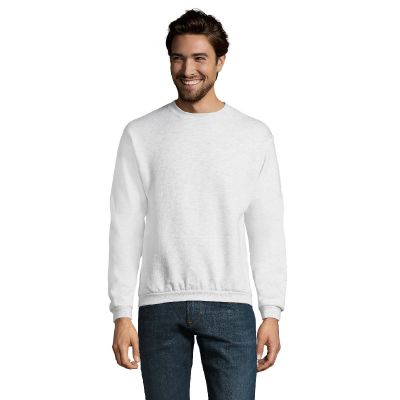
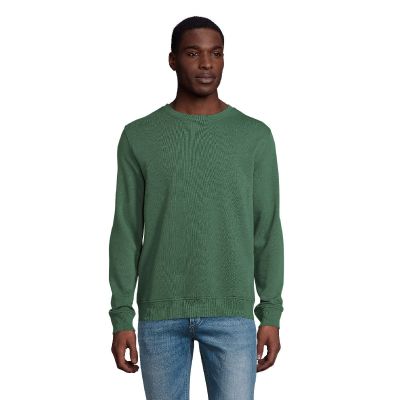
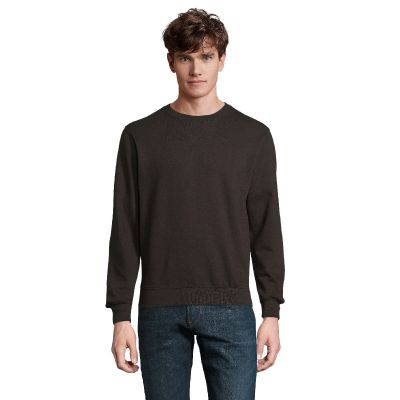
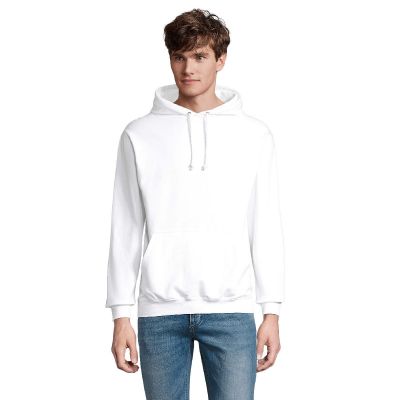
It depends on the intended use. A hood is preferable for Printed Sweatshirts intended for sport, outdoor activities, events and merchandising: it adds protection and a more casual look, especially when combined with kangaroo pockets. A crew neck is more suitable for corporate uniforms, indoor environments and an essential style. If the garment will be worn under jackets or gilets, a crew neck is generally more practical.
Breathability, stretch and freedom of movement are key factors. Technical polyester fabrics are particularly suitable in this case; useful additional details include raglan sleeves, reinforced seams, zips and, for outdoor activities, reflective details or thumb holes. Close-fitting models that retain their shape well are also particularly suitable for training and physical activity.
A good option can be Printed Sweatshirts with a regular or unisex fit, making distribution to mixed groups easier. A crew neck provides a cleaner appearance for offices, retail and reception areas, while a hood creates a more modern and informal look. Full-zip or half-zip styles are more practical for operational staff and people who move between indoor and outdoor environments. Cotton/polyester blends of around 260-300 g/m² provide a good balance of comfort, durability and everyday use.
The available positions vary according to the model. The most common branding areas are the chest, back and sleeves. The size and exact position of the print vary from product to product and also depend on the technique selected. Always check these details in the “Print information” section of each product page.
It depends on your artwork, the material and the model selected. Embroidery is ideal for small logos, corporate uniforms and premium results: it is durable and works well on substantial fabrics. Among print methods, screen printing is effective for large quantities and designs with few colours; DTF on fabric, transfer printing and digital transfer are better suited to detailed or multicolour images.
Yes. Start the purchasing process, select the colours you want and then choose the required sizes for each colour. This allows you to create a mixed supply for employees, staff and corporate events. This option nevertheless depends on the colour and size stock available in the catalogue at that time.
Yes, this option is available for most products and lets you check the material, fit, size and colour in person. Go to the selected product page, click BUY SAMPLE and complete the purchase. This is particularly useful if you want to inspect the product before placing a large order.
It depends on the intended use and the features you need. A weight of 155-175 g/m² gives lightweight garments or layerable fleece; 220-265 g/m² is suitable for indoor use, events and technical models; 280-300 g/m² is the most versatile range for staff, merchandising and uniforms; 320-350 g/m² is a good option for more structured garments intended for winter, outdoor use or premium gifts. Before purchasing, also consider composition, sizes and fit.
It depends on the intended use and target audience. For large groups, events, staff and merchandising, unisex Printed Sweatshirts simplify assortment and distribution. Men's or women's specific models are preferable when you want a more defined fit; kids' models are suitable for schools and associations. Product suitability is indicated on product pages with explicit labels such as “Unisex”, “Men”, “Women” and “Kids”.