
Choosing guide for Personalised Caps
Personalised Caps are simple yet highly versatile accessories that combine practicality, visibility and style. The visor helps shield the eyes from the sun, while the cap completes and enhances an outfit and, above all, suits many activities, both sporting and non-sporting. The wide range of models and materials makes it possible to find the most suitable option for every need and context. Fit is another important detail, as it helps ensure comfort and ease of wear. What truly makes these products unique and recognisable, however, is the customisation. By choosing the print method best suited to your logo and requirements, you can create Personalised Caps that enhance your brand and increase its visibility.
Available models
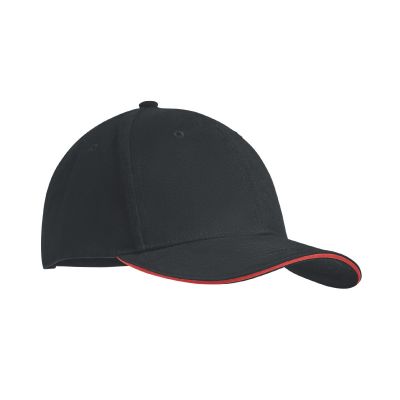
One feature shared by almost all Personalised Caps is panel construction, generally with 5, 6 or 7 panels. These sections, often clearly visible, form the cap and give it its shape. Style and individual details are what distinguish the different models.
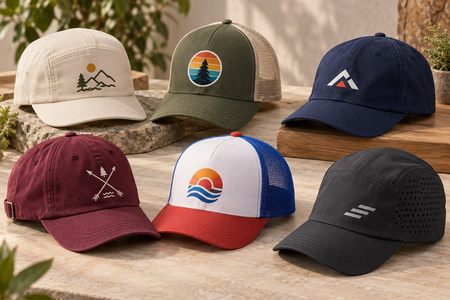
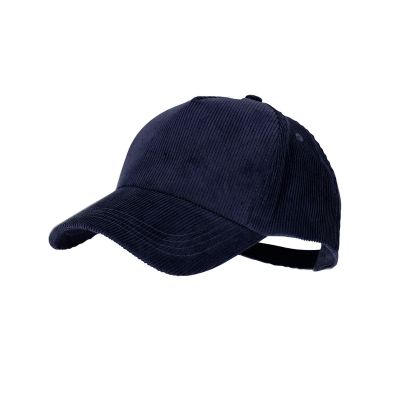
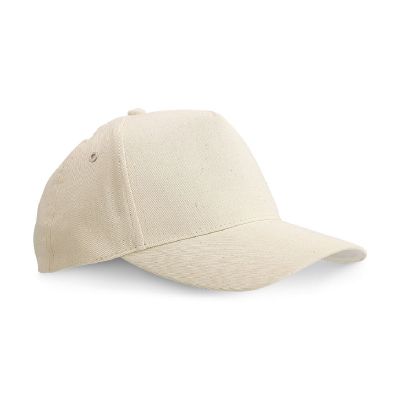
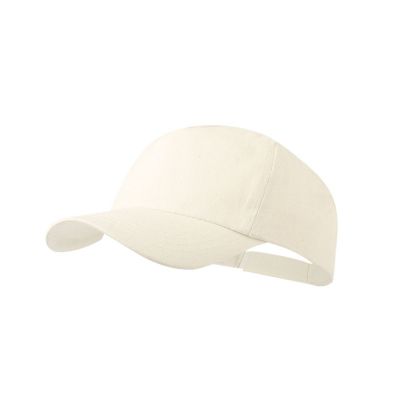
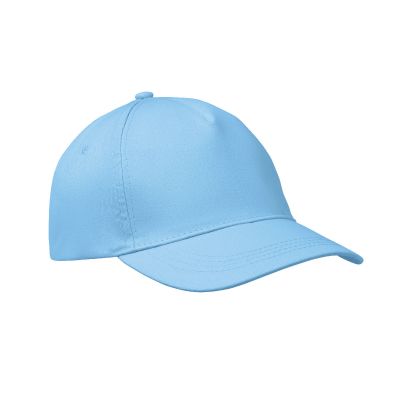
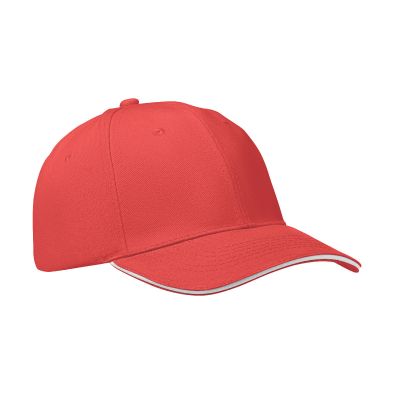
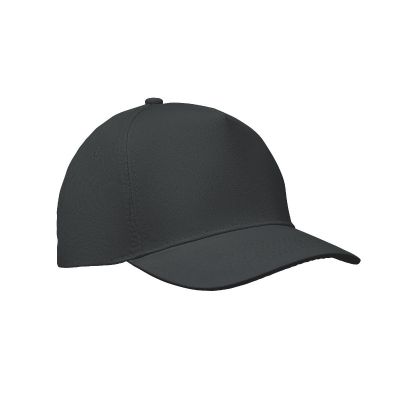
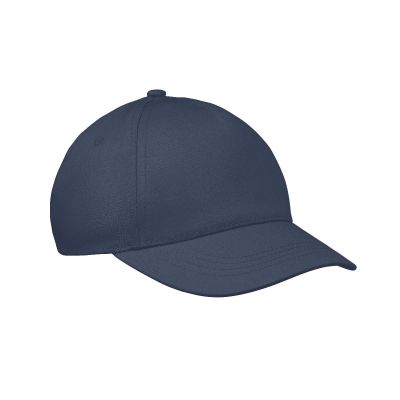
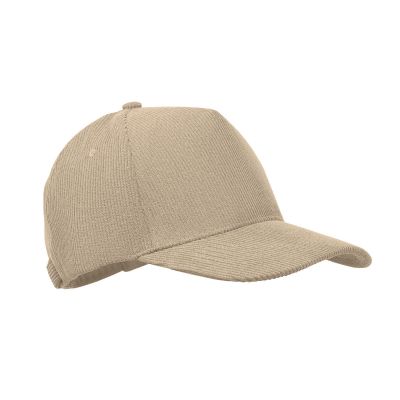
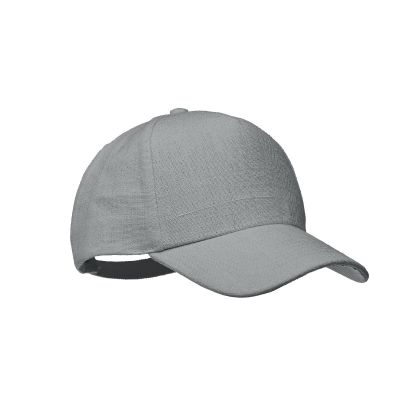
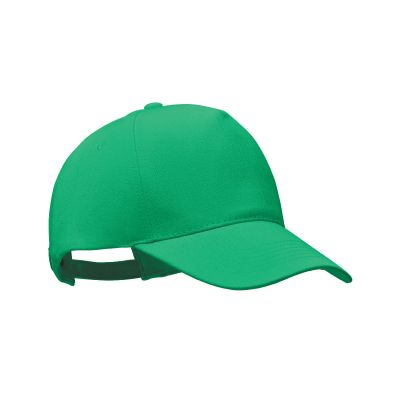
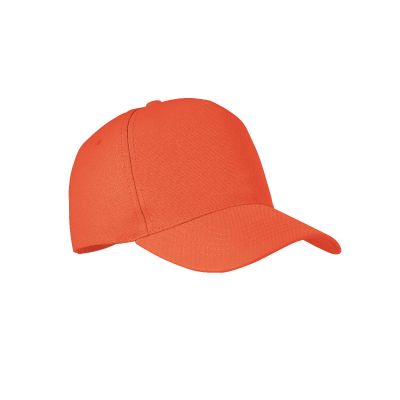
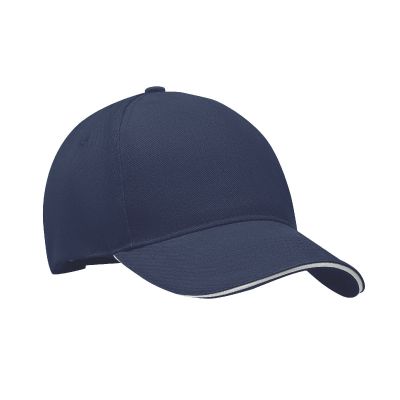
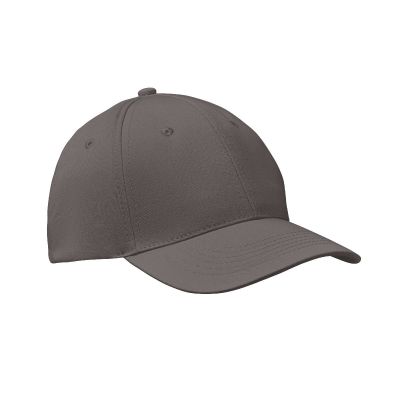
- Classic baseball cap: curved visor, traditional crown and adjustable closure; the most versatile all-round model.
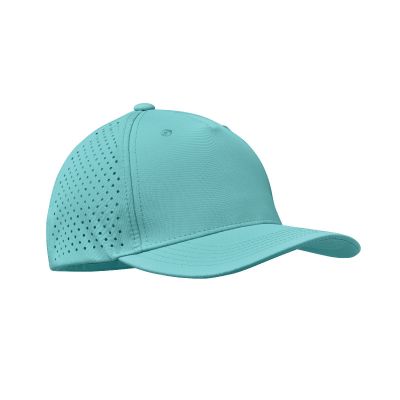
- Sports caps: designed specifically for sport and outdoor activities. They are made from lightweight, breathable, quick-drying fabrics.
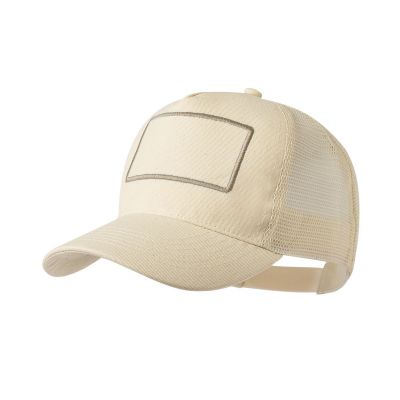
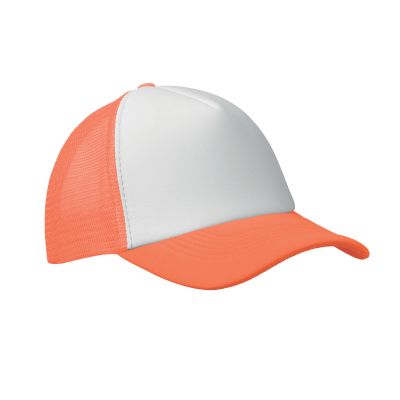
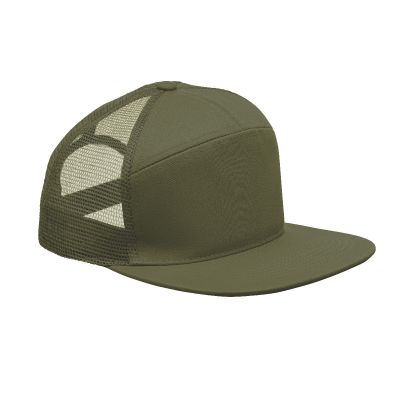
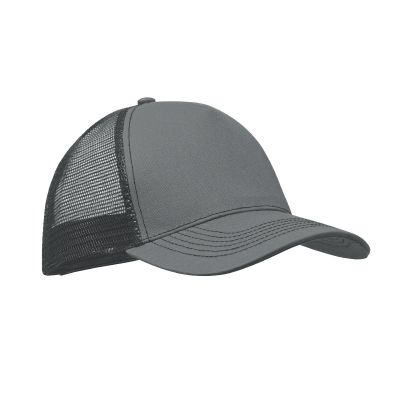
- Trucker caps: generally made with a solid front and a mesh back with adjustable closures.
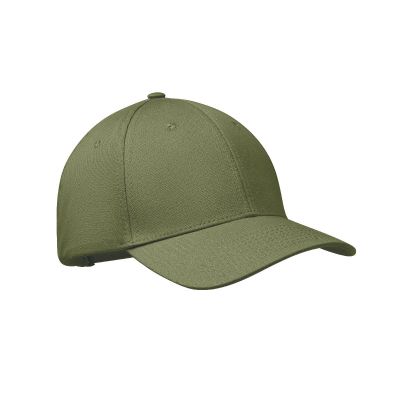
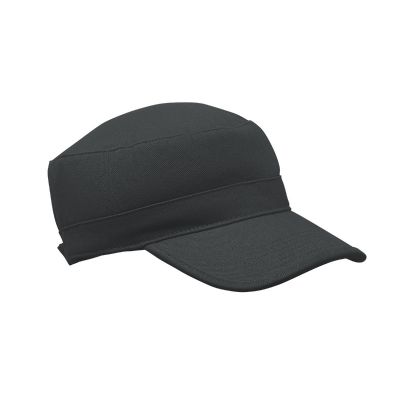
- Military caps: inspired by military style in their shape, colours and camouflage patterns.
- Flat-visor caps: the visor is not curved and gives them a more streetwear and fashion-oriented look.
- Kids' caps: versions with smaller circumferences and proportions, designed specifically for children and young people.
- Accessorised caps: models with additional features such as neck flaps and cooling materials.
Materials
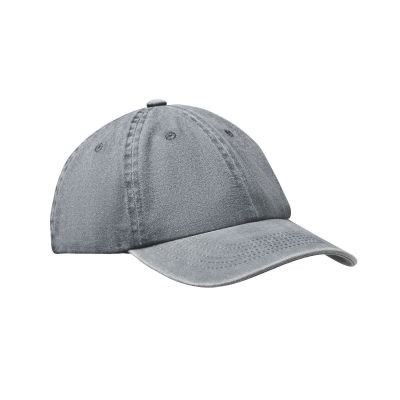
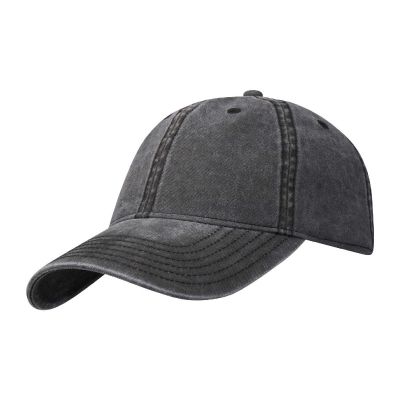
The available compositions can be divided into two broad groups: natural fibres and synthetic materials. The main natural fibre is cotton, which makes Personalised Caps soft, comfortable and suitable for everyday use. Its organic and recycled versions retain these typical qualities while also addressing sustainability. Different treatments also give cotton different looks and finishes. Cotton twill, for example, offers a classic appearance and a smooth, durable surface, while washed cotton creates a vintage look and greater softness. The most common synthetic material is polyester, also available in recycled versions, followed by microfibre, nylon and RPET. These materials are widely used in sports and outdoor models because, in addition to drying quickly, they provide lightness, practicality and durability.
Fit and what defines it
Fit is one of the most important aspects of Personalised Caps because it directly affects comfort, style and stability when worn. Adjustment systems are especially influential because they allow the cap to adapt easily to the wearer's head. The most common is the hook-and-loop closure, which is quick and easy to adjust. For a more refined appearance, a metal buckle is often fitted to a strap and is common on both classic and premium models. Streetwear styles also frequently use the snapback closure, made from two plastic straps that connect at different points using snap studs. Elastic bands and elastic adjustments adapt automatically to the head without a traditional closure and are often used to improve comfort on sports and outdoor models. Sizes and measurements are the other key elements that define fit. Adult models often come in one size, suitable for different head circumferences and adjustable using the systems described above. In other cases, measurements are stated. One of the most common is 58 cm, sometimes also shown as size 7 1/4. The same principle applies to kids' models, but with smaller, adapted proportions and circumferences.
Embroidery and print techniques
Customisation is a key step because it not only makes your caps original and different from others, but also helps anyone who sees or wears them associate them immediately with your brand. The most suitable print method depends on several factors, particularly the material, the available branding area and the characteristics of your logo. One of the techniques best suited to this product is embroidery, especially when you want an elegant, professional appearance. It adds dimension and produces a result that is both precise and resistant to wear. The standard maximum of twelve colours can be overcome with the full-colour version, although this is not always available; very fine or highly detailed logos may still not be reproducible. More modern options include transfer printing and digital transfer, both highly resistant and able to reproduce complex graphics. The former supports up to eight solid colours, while the latter can have limitations on uneven surfaces. Another option is screen printing, a versatile method that can create an attractive raised effect and is ideal when your logo uses only a few colours and you are looking for an economical technique. Sublimation is more specific and can only be used on polyester products or specially treated surfaces. It allows full-colour printing and, where the product permits, can also cover very large print areas.
Gift ideas and use suggestions
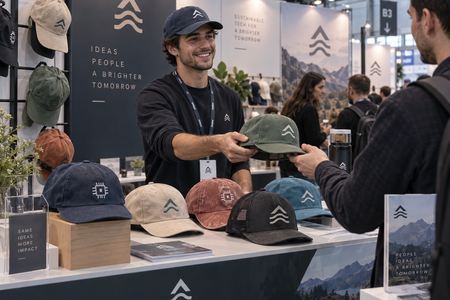
The modern shape and widespread popularity of Personalised Caps have their roots in baseball. Their original purpose was to protect players' eyes from the sun, but over time, helped by the popularity of the sport, they became an accessory worn and appreciated by everyone. Their origins still make them an excellent promotional item for sports clubs and gyms, where they can be used both as part of the look and as workwear. They are also among the promotional products most frequently handed out at major events, including races, tournaments, trade fairs and conferences. As well as being worn by staff, they can be given to customers and visitors, especially when paired with other practical promotional products such as Personalised Water bottles & Sport bottles and Personalised Keyrings. Another increasingly common use is in education and training. Schools, universities, associations and summer camps often use Personalised Caps to create a sense of belonging or give visibility to open days and fundraising initiatives. Hotels and hospitality businesses, restaurants and shops, on the other hand, use them as staff clothing. By including them in a coordinated kit with Printed T shirts and Printed Sweatshirts, you can create recognisable, coordinated company clothing.
If you need further detail or a practical checklist to help you choose your Personalised Caps, download this document.
Personalised Caps - FREQUENT QUESTIONS
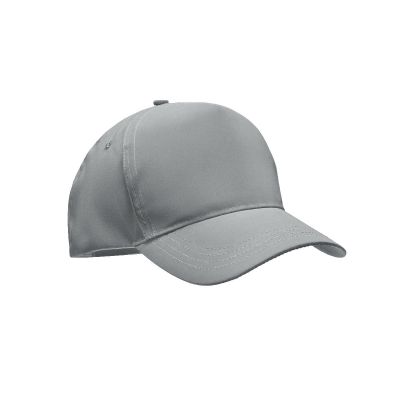
The choice mainly depends on shape, fit and the planned logo position. 5-panel caps generally have a more continuous front area, which can also suit larger logos; 6-panel caps have a rounder, more traditional shape, while 7-panel caps are less common and have a more distinctive construction.
It depends on age and the style you consider most suitable. For children, choose models with dedicated sizes and head circumferences. For teenagers and students, classic and versatile baseball caps, trucker caps and flat-visor models are all good options, especially for those who prefer a younger streetwear look. For outdoor activities, summer camps and trips, also consider sports models made from lightweight, breathable materials.
The style you want to achieve makes the difference. A curved visor is typical of the classic baseball cap and offers a sporty, versatile look; it suits company staff, giveaways and everyday use. A flat visor is more closely linked to streetwear and is especially suitable for merchandising and collections with a younger, more informal character.
It depends on the intended use and the comfort you are looking for. Hook-and-loop is the most practical and quickest system to adjust and works well for events and large-scale distribution; snapback uses a snap closure and suits trucker caps and streetwear styles; a buckle looks more refined and allows precise adjustment, while elastic systems are particularly suitable for technical and sports caps.
Print positions and dimensions vary from product to product. The front is the most visible area and can usually be customised centrally or on the side panels; some items also allow customisation on the back, visor and adjustment strap. Always check the product page for all available print information.
The choice depends on your logo, the material, the available area and the result you want. Embroidery creates a durable, elegant, raised textile effect and is particularly suitable for corporate logos and more refined customisations. Transfer printing, digital transfer and sublimation are better suited to detailed graphics with many colours and shades, although they are not always available; screen printing is a good option for simpler graphics.
Classic baseball caps, especially in cotton or polyester, provide a practical and versatile solution. A hook-and-loop adjustment makes them quick and easy to use, while trucker and sports models are a good choice when the event theme is consistent with the product. Also consider one-size models for greater adaptability. For large quantities, where available, screen printing can also be worth considering because it is one of the more economical techniques.
The intended use makes the difference. A classic baseball cap coordinates easily with different clothing and is practical for shops, hospitality businesses and informal restaurants. For staff working outdoors or during summer events, trucker or technical breathable models may be more suitable. If the cap is intended for physical activities, sports models are recommended. Before ordering, also evaluate fit, colours and print methods.
Yes, this option is available in most cases. Go to the product page you want, click BUY SAMPLE and complete the order. Once you receive the cap, you can assess the material, colour, features and fit in person. This is especially useful if you are planning a large order.
Consider your brand identity, the context of use and the contrast with your logo. Black, white, grey, beige and blue are common colours and are easy to coordinate with uniforms and staff clothing; brighter colours can increase visibility during events and public occasions.