


Choosing guide for Custom Snoods
Custom snoods are simple yet very useful products, designed to provide protection from cold, wind and changes in temperature during sport, work and leisure. The variety of available models and materials makes it easy to find the option that best suits each need, while sizes and other details help improve comfort and functionality. Customisation also turns them into a distinctive and recognisable accessory that can increase brand visibility and accompany the wearer in everyday activities.
Available models
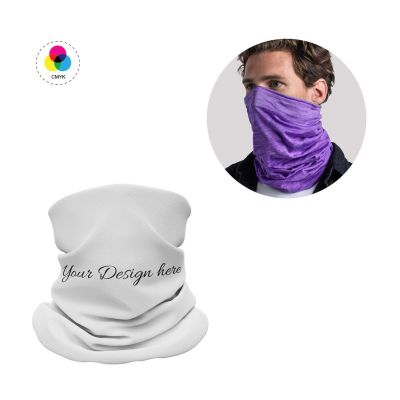
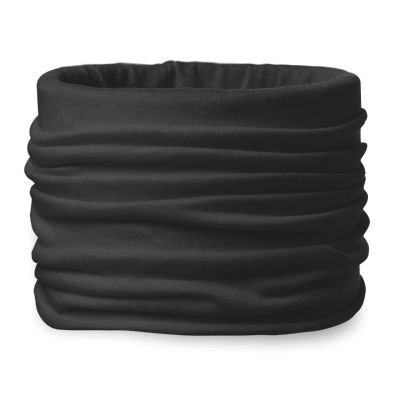
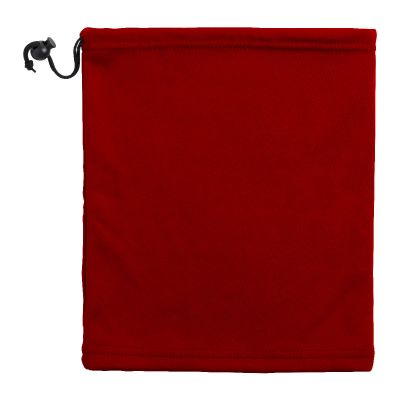
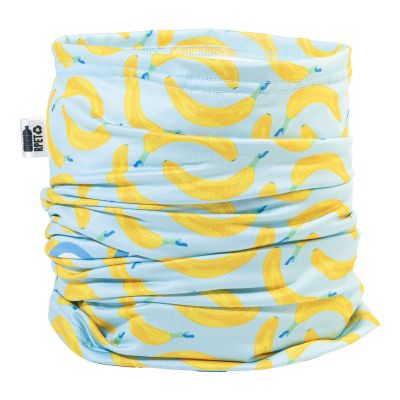
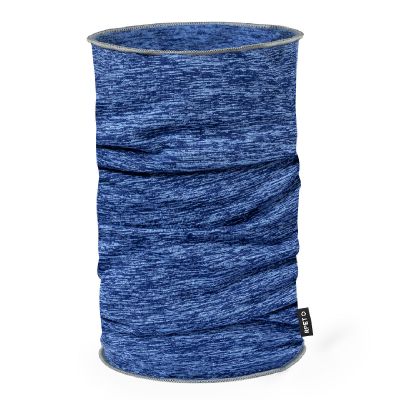
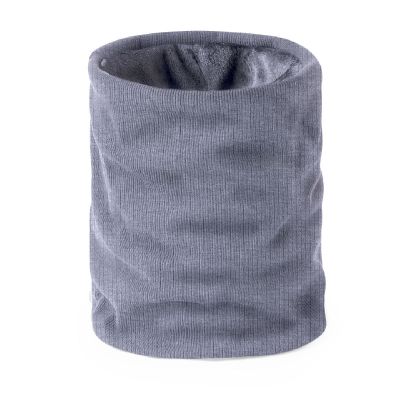
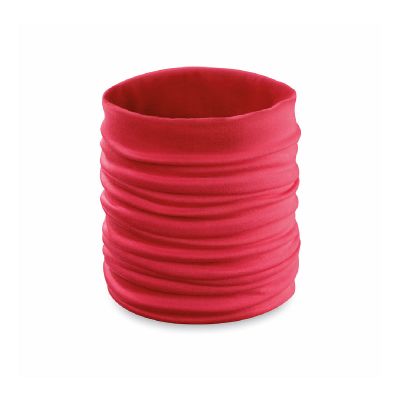
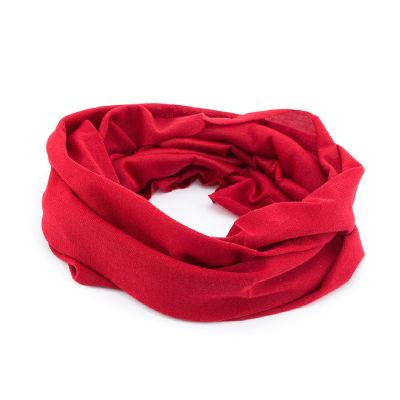
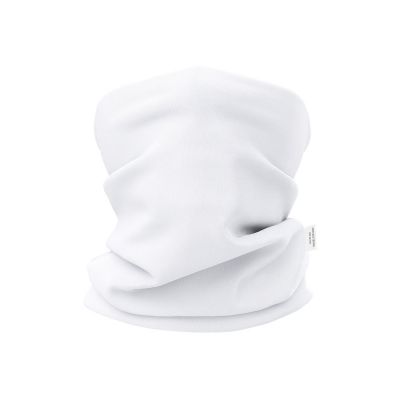
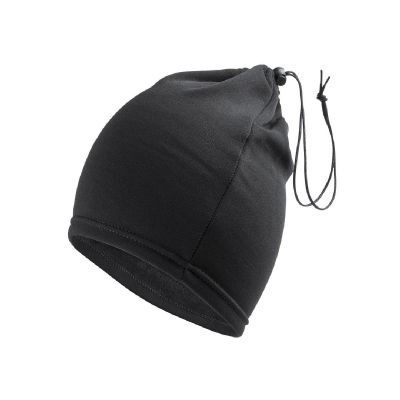
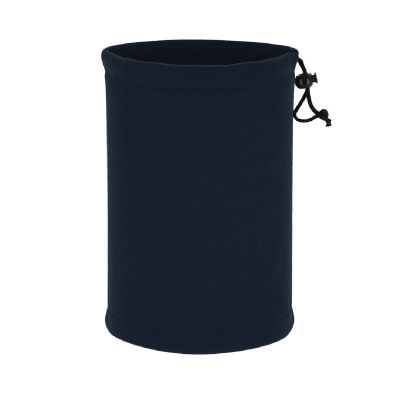
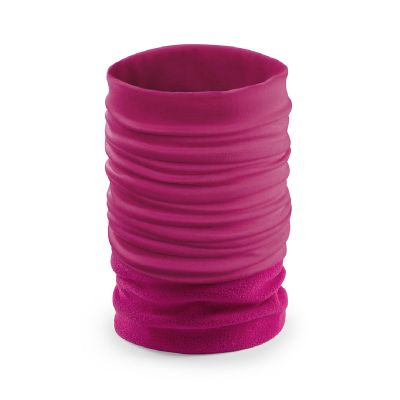
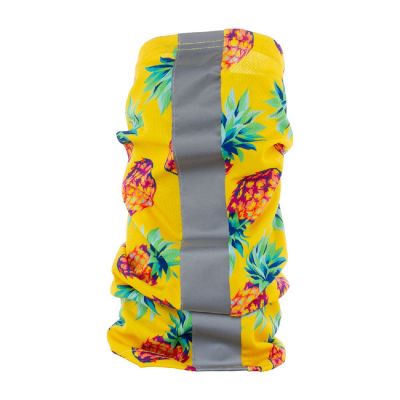
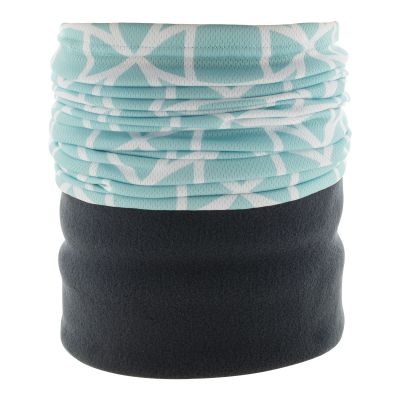
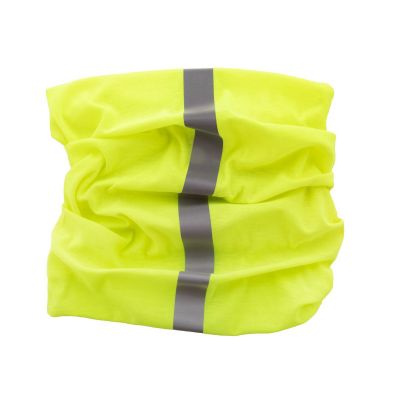
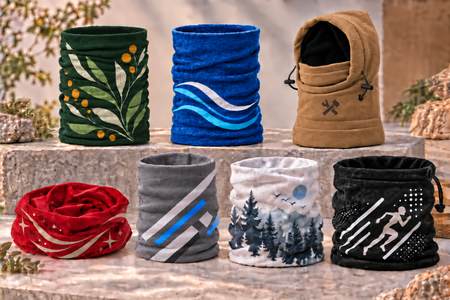
Among custom snood models, the most common is the tubular version, practical and versatile. It is available both in lightweight versions for sport, events and promotional use and in heavier options, often made from fleece or warm fabrics, designed mainly for winter. Some models also include a hat, offering greater protection for the head and ears. In some cases, a drawstring closure allows the snood to be turned into a beanie as needed; other models have an extended structure that protects the neck and head at the same time. The range also includes models with additional functions, such as reflective elements, antibacterial treatments, water-repellent properties or thermal features. These options are particularly suitable when specific performance is required for sports, outdoor or professional activities as well as customisation.
Materials and compositions
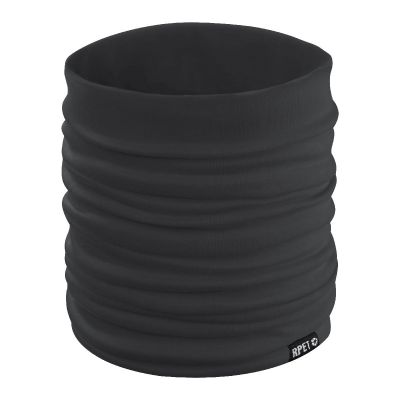
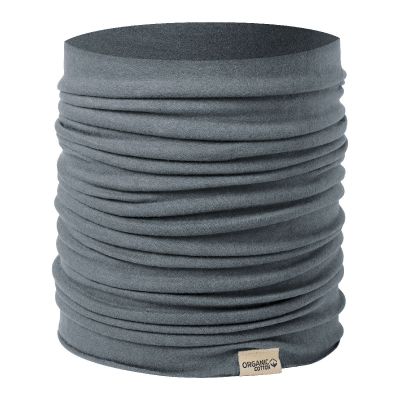
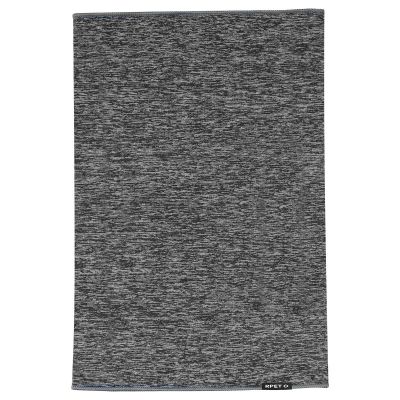
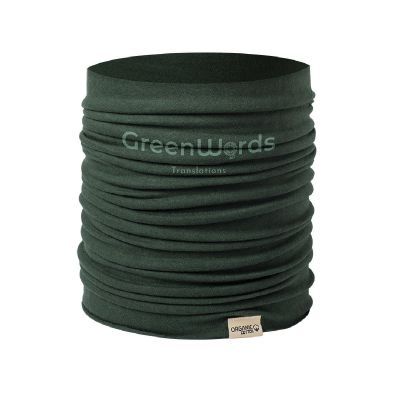
The most common material for custom snoods is polyester: it is used in both lightweight, stretchy models and warmer versions, and is a practical, durable fabric suitable for different customisation techniques. Greater attention to recycling and sustainability has increased the production of items made from RPET, and snoods are no exception. This fabric is used both for lightweight tubular models and more structured versions and, like polyester, offers durability and quick drying. A natural-origin alternative is organic cotton, grown using methods that reduce the use of chemicals and appreciated for its softness and comfort. Microfibre, which is thin and lightweight, and acrylic, used in heavier winter versions, are much less common. These materials may also be combined with fleece and elastane. Fleece increases warmth and softness, while elastane makes the fabric more flexible and close-fitting.
Sizes
Custom snood dimensions are generally expressed as width x length and determine the fit and size of the product. In adult models, width varies little and is mainly around 24-26 cm, so length has the greatest effect on coverage and the ways the product can be used. Shorter snoods measure between 23 and 28 cm, mainly protect the neck and often include thermal features or fleece construction. Sizes of 37-40 cm offer a good balance between compactness and coverage, while 45-50 cm versions are the most versatile and can also be worn as a headband, bandana or head covering. Longer versions can reach 65 cm and are particularly suitable when greater coverage is needed. Smaller sizes designed for children's proportions are also available.
Printing techniques
Customisation is what makes snoods unique and immediately recognisable. However, the available printing techniques cannot be applied to every product. Their use depends on the selected material, the print area and the characteristics of the logo or artwork. One of the most common methods for textiles is transfer printing, valued for its resistance to washing, wear and weather and for its ability to reproduce highly detailed graphics; however, it does not allow more than eight solid colours. Digital transfer and sublimation are digital techniques that can reproduce logos and images in full colour and, when the model allows it, make use of very large print areas. Digital transfer is generally less cost-effective for large quantities, while sublimation is mainly suitable for polyester or specially treated fabrics. For a more textured and traditional result, you can choose full-colour embroidery, suitable for multicolour logos and capable of creating a more structured, premium effect; however, it adds thickness and stiffness to the fabric and is less suitable for gradients and very fine details. For simple logos with only a few colours, screen printing is a versatile and durable option that is particularly cost-effective for large quantities.
Gift ideas and usage suggestions
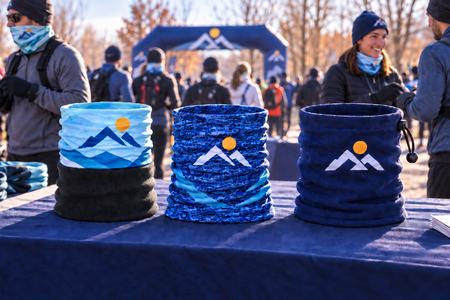
Custom snoods are extremely useful accessories, especially when the wearer needs protection from wind, cold and changes in temperature. They are a regular feature in sport and, more generally, in all outdoor activities. They are ideal for running, cycling, trekking and marathons, and are also often used by teams and clubs so that staff and athletes can train, warm up and compete more comfortably. The same applies to companies whose operational staff work outdoors. Businesses in logistics, construction, transport and maintenance can provide them to employees as part of corporate clothing, often pairing them with Printed Sweatshirts and Printed Jackets. Snoods are not only useful accessories for athletes and staff: in many settings they can also become practical promotional items to give to customers. Mountain hotels, refuges, resorts and ski areas could offer them together with Custom Gloves and Custom Winter hats to create kits for outdoor activities. As well as providing guests with a useful service, these products allow the brand to gain visibility during excursions, trips and other experiences away from the property. Their low price and compact size also make them suitable for large-scale distribution at events, trade shows and promotional campaigns. Custom snoods are lightweight and unisex, giving customers a practical everyday accessory while also providing brand visibility. Some models, especially premium versions or those with additional functions, are also well suited as a corporate gift.
If you need further information or a practical checklist to help you choose the custom snoods that best suit your needs, download this document.
Custom Snoods - FREQUENT QUESTIONS
For events and large distributions, lightweight tubular snoods are particularly suitable because they are easy to wear and work well for different audiences. Sizes around 24-26 × 45-50 cm provide good coverage and allow several ways of wearing them. For winter or mountain events, you can instead consider shorter, heavier models made from fleece or other thermal materials.
It depends on the intended use and the features you are looking for. A classic tubular snood is suitable when versatility matters: it can protect the neck and, in longer formats, can also be worn as a headband or head covering. Models with an integrated hat or those that convert with a drawstring are more suitable for low temperatures and prolonged outdoor activities because they can protect the neck, head and ears at the same time.
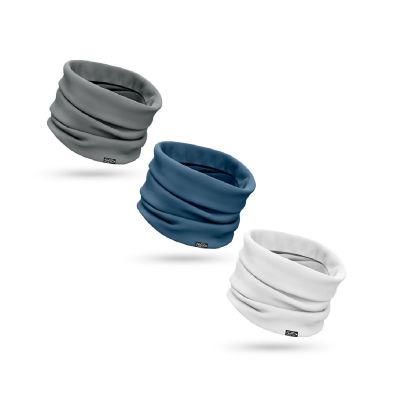
Yes, you can. When a model is available in several colours, during the purchasing process you can specify the quantity required for each colour and create an assorted order. This is useful, for example, for distinguishing teams, departments or participants, or simply for distributing several colour variants while keeping the same customisation.
Fabric weight should be selected according to season, activity and the required level of protection. Fabrics around 120-150 g/m² are lightweight and suitable for sport, events and transitional seasons; 185-200 g/m² fabrics offer more substance, while models above 250 g/m² are more suitable for winter and low temperatures. Always consider fabric composition and construction as well: weight alone does not determine warmth.
It mainly depends on the season and the type of work carried out. For winter, fleece models or options with greater thermal insulation are suitable; for dynamic activities, lighter, stretchier and quick-drying fabrics may be preferable. If staff work in low-light conditions, you can choose snoods with reflective elements. Before ordering, always assess the size, comfort and available print area as well.
The choice mainly depends on temperature, activity intensity and conditions of use. For running, cycling and outdoor training, lightweight, breathable and quick-drying tubular snoods are especially suitable. In colder weather, fleece models or versions with greater thermal insulation are preferable, while reflective elements can be useful for evening activities.
It depends on the features you are looking for. Polyester is versatile, durable and quick-drying; RPET offers similar characteristics while using recycled polyester and is suitable when you want to emphasise sustainability. Organic cotton has a more natural, soft and comfortable feel. Consider other materials for specific needs: fleece for more warmth, elastane for stretch, microfibre for lightness or acrylic for more structured winter models.
The position depends on the model and the selected technique. In general, the logo can be applied to the front, back or both sides; some items also allow customisation over the entire surface. Check the dimensions, positions and available techniques in the relevant product pages.
Choose according to the characteristics of the logo and the result you want. Embroidery creates a more textured, premium effect and is suitable for logos that are not too complex. Digital printing techniques such as transfer and sublimation are better suited to detailed graphics and large areas. More direct methods such as screen printing are ideal for simple graphics with only a few colours. Always remember that the available technique also depends on the chosen material and the surface available on that specific product.
Yes, this option is available for most custom snoods. Simply open the selected product page, click “BUY SAMPLE” and complete the purchase. A sample is useful if you are considering a large order because it allows you to assess the dimensions, fit and material in person.