
Choosing guide for Personalised Chocolates
Personalised chocolates are small, tempting promotional products that are easy to distribute and suitable for many occasions, from corporate events to small gifts for customers and colleagues. The variety of flavours and formats makes it possible to suit different preferences, while the available packaging affects presentation, practicality and perceived value. Printing techniques then make personalised chocolates easy to recognise. Recipients can associate the brand with moments of pleasure and relaxation, while the company gains greater brand visibility through a simple, versatile item.
Formats, weights and dimensions
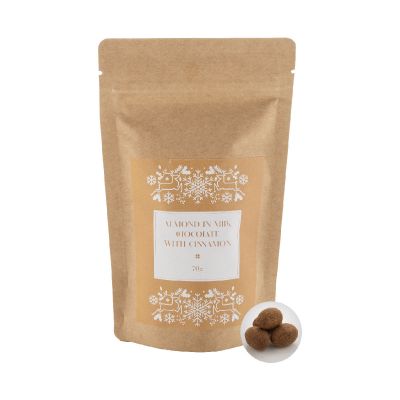
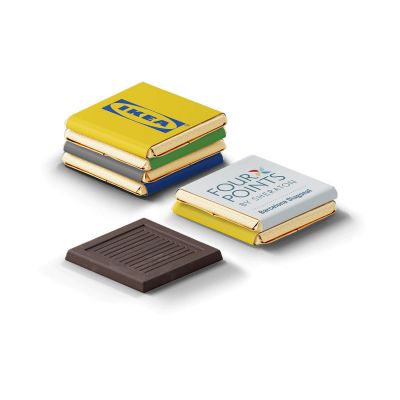
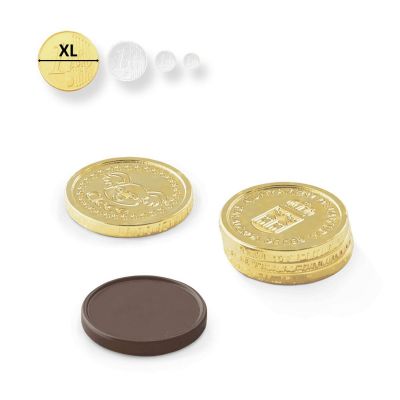
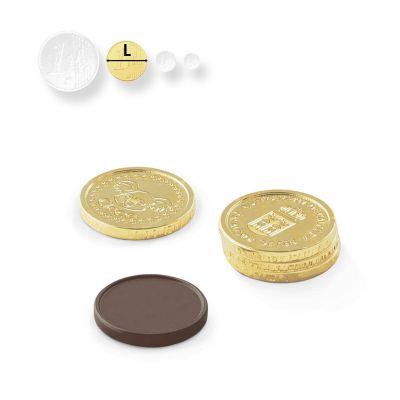
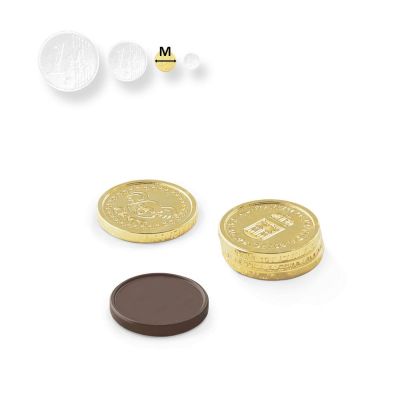
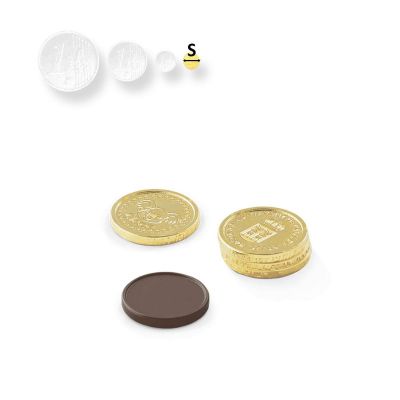
Personalised chocolates differ first of all in shape, weight and dimensions. The most classic format is the 5 g square, compact and regular, measuring 30 × 30 mm. This option is practical and ideal with coffee or during a short break. The 70 g praline has a more substantial presence and is intended for those looking for a richer format; it can accompany hot drinks such as tea and cappuccino or be enjoyed as a small snack during the day. Chocolate coins are available in several sizes and weights: the smallest weigh about 2.5 and 4 grams and have diameters of 28 and 36 millimetres; the intermediate version weighs 20 grams and measures 68 millimetres, while the largest format reaches 60 grams and 100 millimetres in diameter. Their shape and range of sizes make them particularly suitable as a small gift, an original element for themed parties or a decoration for cakes and desserts.
Available flavours
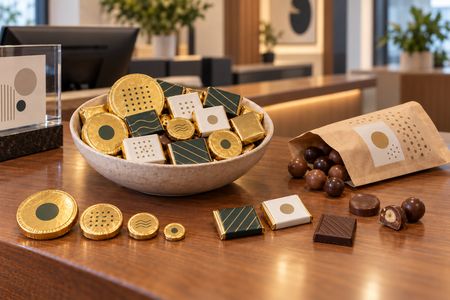
The choice of flavours for personalised chocolates is straightforward but varied enough to suit different preferences. Milk chocolate has a smooth, sweet taste and is an immediate choice for anyone looking for a classic flavour with broad appeal. Dark chocolate, on the other hand, is more intense and distinctive and is ideal for those who prefer less sweetness and a flavour that pairs well with coffee. There are also richer, more aromatic varieties combining milk chocolate and almonds coated with cinnamon. This combination brings together the sweetness of chocolate, the crunch of nuts and the spiced notes of cinnamon. This variety lets you choose between a milder flavour, a more intense one or a more distinctive option, while also allowing you to base the choice on the preferences of your target audience and the moment when the chocolate will be enjoyed.
Packaging
Packaging, together with flavour and format, helps define the style of personalised chocolates and varies according to the product selected. The square is generally individually wrapped in a wrapper available in a gold or silver finish; an outer paper band completes the presentation, enhances the customisation and gives the sweet a neat, polished appearance. Pralines are instead packed in a kraft cardboard bag measuring approximately 90 × 183 × 47 mm. This solution is considerably larger and gives the chocolate greater visibility, making it look like a small gift. Wrapping is also used for the coins, which are individually packaged and instantly recognisable thanks to a gold colour that recalls the object they represent and strengthens their visual effect. The different options therefore make it possible to choose between a more understated presentation and a more prominent package able to contain several personalised chocolates.
Printing techniques
Customisation is what makes personalised chocolates recognisable and distinctive, but in most cases the print is not applied directly to the chocolate. Instead, it is applied to the packaging, wrapper or outer band. Not every technique is suitable for every product: the choice depends on the packaging material, the characteristics of the logo and the available printing area. If you need a technique with no limitation on the number of colours, you can choose an adhesive label or flexographic printing. With the first option, a full-colour printed label is applied to the packaging; flexographic printing, by contrast, transfers ink onto the surface using flexible raised printing plates and then allows it to dry relatively quickly. Flexographic printing can reproduce complex, full-colour graphics quickly and accurately, but it is only available for very high minimum order quantities. Alternatively, if your logo is simple and uses only a few solid colours, you can choose pad printing, an economical and versatile technique that also works well on relatively small printing areas.
Gift ideas and usage suggestions
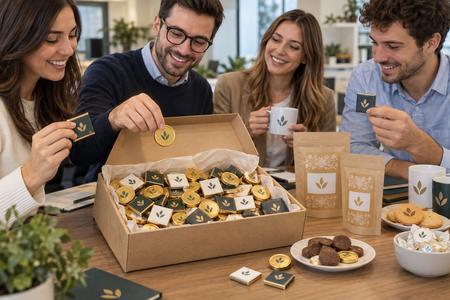
Chocolate is a flavour known and appreciated around the world, which is one reason why products such as personalised chocolates suit very different settings. The most immediate connection is perhaps with bars, cafés and restaurants, where they can be paired with Personalised Biscuits and served with coffee, desserts and hot drinks. Custom packaging can enhance the service and show attention to the customer. In accommodation and hospitality settings, they can instead be a welcome gift for guests, especially when placed in strategic areas such as reception desks, rooms and shared spaces. The same applies to shops, showrooms and retail outlets: in these settings, personalised chocolates can be offered at the till, after a purchase or during openings and promotional campaigns. Pairing them with Promotional Sweets & Confectionery and Personalised Snacks creates a small, complete assortment with a range of flavours and textures. Their versatility and generally modest costs also make them suitable for large-scale distribution at trade fairs and events. By giving them to visitors, companies can increase brand visibility and leave a small reminder of the experience. In offices and corporate spaces, they are a tempting gift for employees and colleagues, who may find these sweets in meeting rooms and break areas or inside gift packs and Christmas boxes.
If you would like further information or need a practical checklist to help you choose the personalised chocolates that best suit your needs, download this document.
Personalised Chocolates - FREQUENT QUESTIONS
Milk chocolate is a simple, versatile choice that can suit a wide range of recipients and preferences. You could choose dark chocolate if you want a more intense flavour to pair with coffee, while richer options, such as milk chocolate with cinnamon-coated almonds, are recommended for gifts or special occasions.
It is generally best to choose small formats that are individually wrapped. The 5 g square or coins weighing about 2.5 and 4 g are easy to distribute and take up little space. The 20 or 60 g coins and larger packages are more suitable when you want to give greater importance to each individual gift.
The dark chocolate square pairs very well with coffee, nuts and some types of sweet fruit, making it suitable for breakfast and snack occasions. Milk chocolates, on the other hand, pair well with desserts and can also be offered in shared areas, at reception desks and on counters.
It mainly depends on the importance you want to give each chocolate. The 28 and 36 mm coins weigh about 2.5 and 4 g and are suitable for large-scale distribution. The 68 mm, 20 g format is more visible and substantial while remaining an intermediate size, whereas the 100 mm, 60 g coin has a much stronger presence and is closer to a small gift.
It depends on the type of gift you want to offer. If you want to prioritise flavour and a more refined option, you can choose milk chocolate with cinnamon-coated almonds. If you prefer simple chocolates with more standard flavours, you can choose milk or dark chocolate.
Yes, some products are gluten-free; you can check this information on the relevant product pages. This is particularly useful if you plan to offer chocolates to a broad audience or if you are aware of allergies or specific dietary requirements among the recipients.
It depends on the product. Minimum quantities range from 1,000 pieces for larger chocolates to 6,000 for smaller ones. In some cases, especially for higher-end products and larger packages, it may also be possible to purchase a sample. These details can always be checked on the relevant product pages.
The choice of technique depends on the type of packaging, the complexity of the logo and the available area. For graphics with many colours and details, you can choose, where available, between flexographic printing and a full-colour adhesive label. If your logo is simple or uses only a few shades, pad printing is particularly effective even on very small printing areas.