

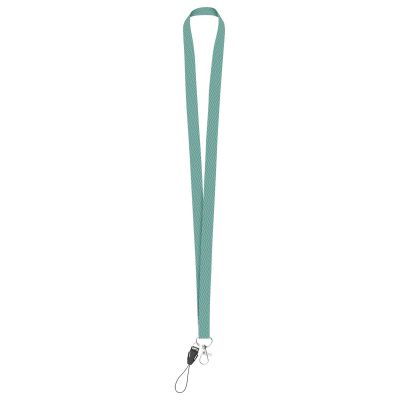
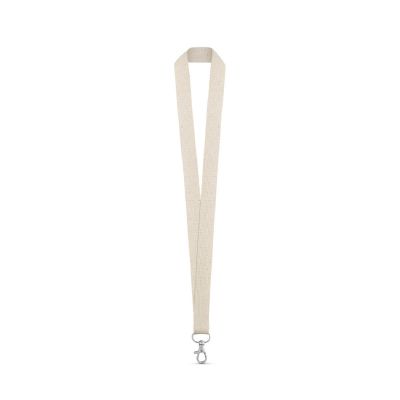
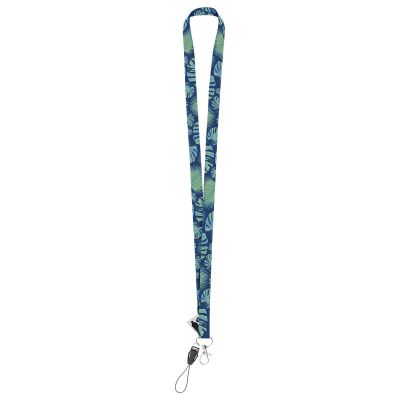
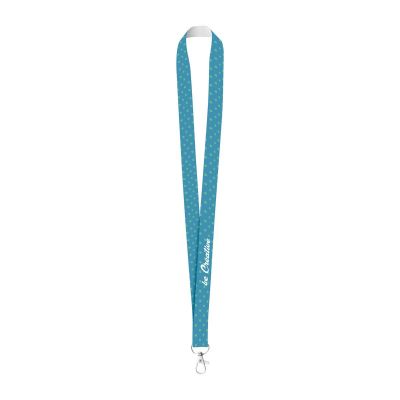
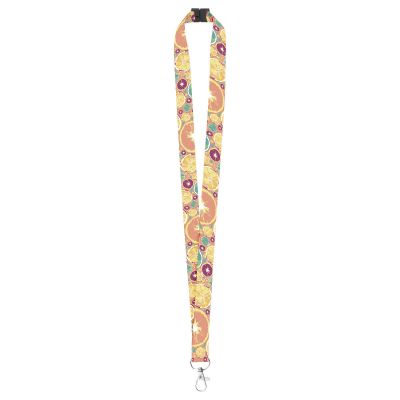
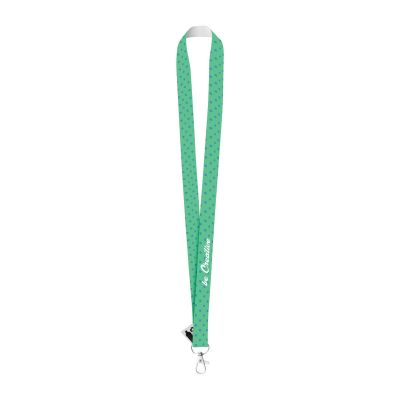
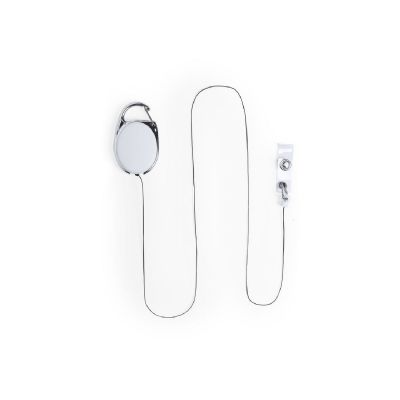
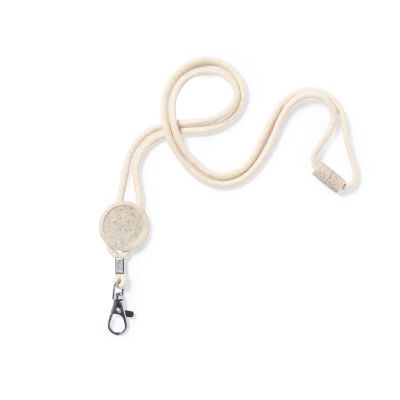
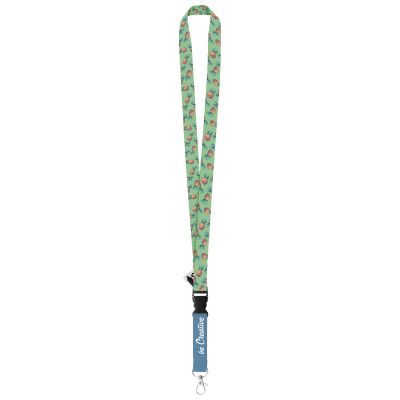
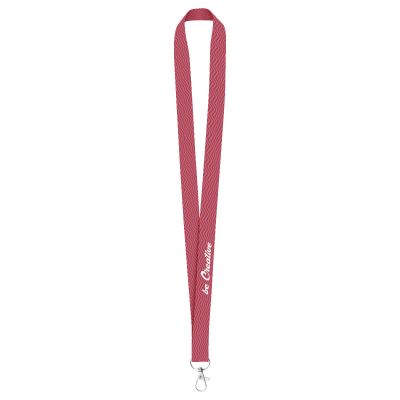
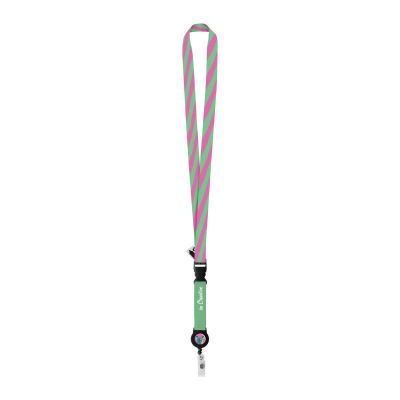
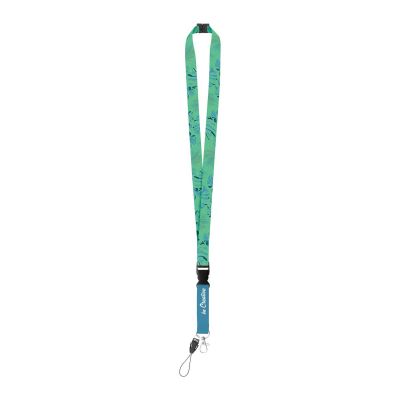
Guide to choosing Personalised Lanyards
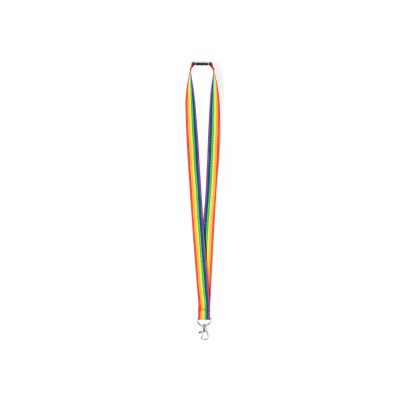
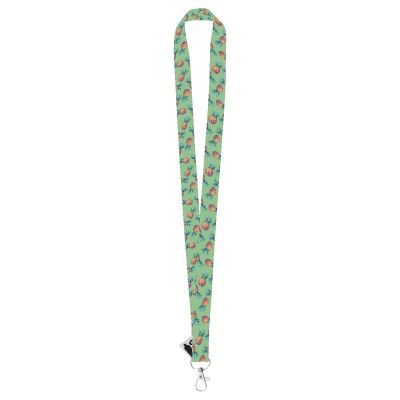
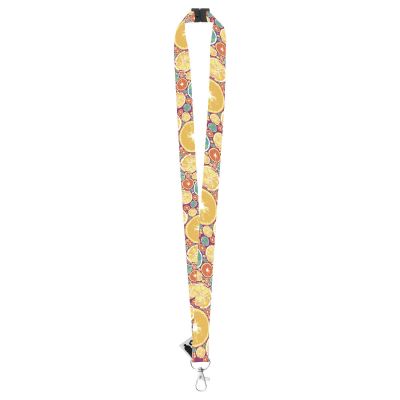
Recognition and practicality are two essential elements in the workplace, which is why Personalised Lanyards have become increasingly widespread and appreciated over the years. They let you carry badges, ID cards, keys and phones without relying on bags, pockets or waist packs, offering a simple, compact way to organise these essential accessories. The materials define their style, while different details, models and formats determine their usefulness and compatibility with other products. Personalisation also creates a unique item that can increase brand visibility.
The materials they are made from
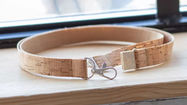
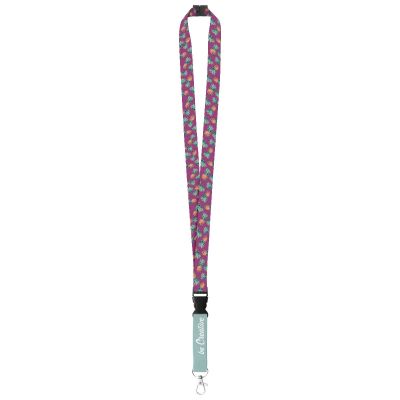
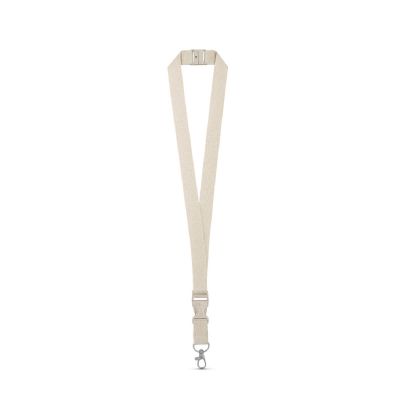
The range of materials used to make Personalised Lanyards is broad and can be divided between those used for the strap and those used for the hook. For the latter, metal is almost universal: a classic, strong and compact solution. Plastic and aluminium are less common but still available. There is much more variety in the strap, where polyester and RPET are the main materials. Both are lightweight, durable and versatile, while RPET also has the advantage of being made from recycled material. The most common natural fibre is cotton, soft to the touch and with a textured appearance. Among Personalised Ecological lanyards there are also original options with a strongly natural look, such as recycled cardboard and cork. Wheat straw is another innovative green option, although it is mainly used in safety buckles. Silicone is much rarer and is used to give Personalised Lanyards flexibility and elasticity.
Available formats
The main criteria that distinguish Personalised Lanyard formats are the length and strap width, both of which vary from product to product. The narrowest models measure around 15 x 475 mm and are extremely discreet and lightweight, while standard versions have a similar length but are about 20 mm wide. This is the most common format and offers a good balance between comfort and logo visibility. Some versions are particularly long or particularly wide, although they are less common. In the first case, the width remains around 20 mm, while the length reaches 550 mm; these models generally include additional accessories and more complex configurations. In the second case, the width reaches up to 25 mm, giving graphics and personalisation greater visibility. In addition to the classic flat shape, the cord can also be tubular or retractable. Some particularly short, compact models can also be worn on the wrist rather than around the neck.
The different accessories available
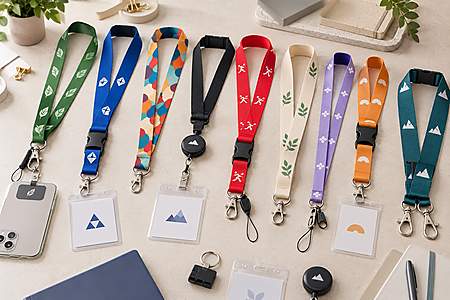
Accessories are what most strongly define the versatility and usefulness of Personalised Lanyards. Their slim, compact shape makes them easy to combine with a wide range of tools, each with its own specific features.
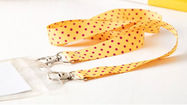
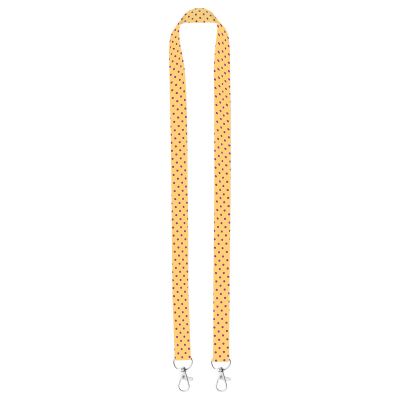
- Single and double snap hooks: the classic attachment system for badges, keys and other items. A single hook is the most common option, while Custom Lanyards with double snap hook provide two attachment points, increasing stability.
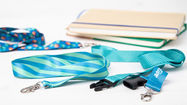
- Neck safety buckle: Custom Lanyards with security buckle provide added safety through an automatic release system designed to open if the lanyard is pulled.
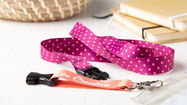
- Detachable clip: Custom Lanyards with detachable clip use a release similar to the previous system, but here it allows the end section to be separated quickly from the rest without removing the lanyard from the neck.
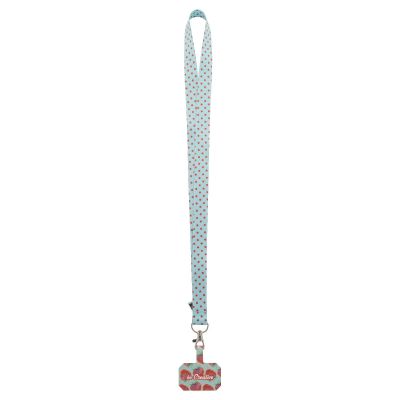
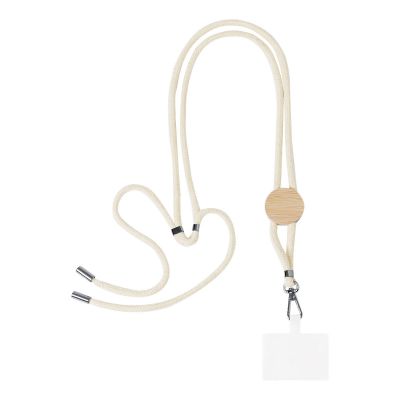
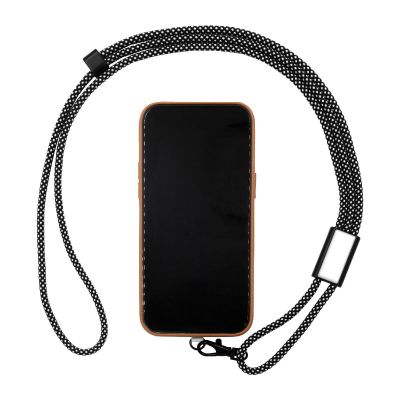
- Smartphone holder: an insert or attachment system connects the device to the strap; Personalised Lanyards with phone holder keep the phone easy to reach and can be worn around the neck, crossbody and, in some cases, on the wrist.
- Badge holder: a case or holder, often transparent, that allows Personalised Badge lanyards to hold and carry cards, credentials and identification passes.
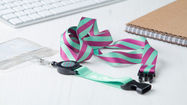
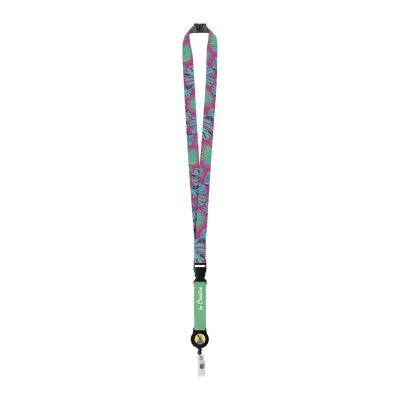
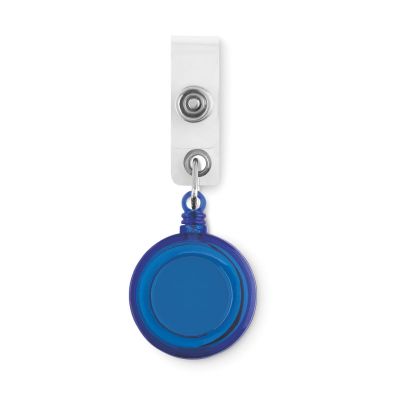
- Telescopic pass holder: a retractable mechanism with an internal or extendable cord, also known as a reel or YOYO. Custom Lanyards with telescopic pass holder make it possible to bring badges and cards close to readers, turnstiles and access-control systems without detaching them; after use, the cord automatically retracts into the holder.
- Multifunction accessories: Personalised Lanyards that include additional, distinctive functions. Bottle openers, bottle or cup holders, LED lights, USB flash drives and charging cables are some possible examples.
Available print methods
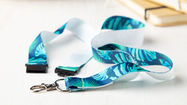
Personalisation allows lanyards to combine practicality and recognition, two qualities that companies and organisations often require in everyday work. Not every print method can be applied to every product: the material, logo characteristics, available budget and print area all have a major influence. One of the most common methods for Personalised Lanyards is sublimation, which can produce four-colour printing with photographic quality. Where the product allows it, it can also use the entire surface; however, it is limited to polyester items or specially treated products. Another method capable of producing high-quality full-colour prints is digital transfer, although it works best on flat, even surfaces. For fabrics in general, transfer printing is particularly suitable: it is durable and can reproduce very detailed graphics, but it cannot use more than eight solid colours. Screen printing and pad printing are equally durable but more economical alternatives; they reproduce up to four solid colours and are ideal for large quantities and logos that are not too complex. Screen printing can also create a pleasing raised effect, while pad printing adapts very well even to extremely small print areas.
Gift ideas and usage suggestions
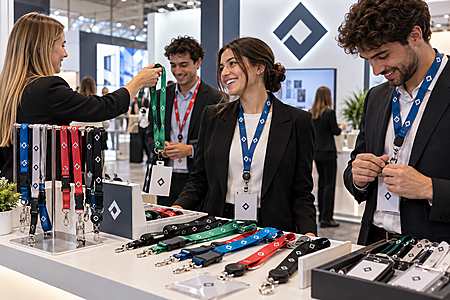
The widespread use of Personalised Lanyards in the workplace is relatively recent and is mainly due to their practicality. They keep important items such as keys and smartphones close at hand and, when paired with a badge, make the wearer immediately identifiable. For these reasons, companies, offices and production sites choose them for their staff. Another common use is for personnel working at trade fairs, events and conferences. On these occasions, Personalised Lanyards can serve two purposes: distinguishing staff from other exhibitors and becoming a practical giveaway for visitors and customers, especially when combined with promotional items such as Personalised Pens and Personalised USB flash drives. Their ease of use also makes them suitable for more operational settings such as festivals, public events and sports events. Double-hook models could reduce the risk of losing badges and ID cards; smartphone holders would help staff remain reachable, while telescopic pass holders would speed up access through turnstiles and security systems. In environments such as hotels, tourist attractions, schools and shops, they can make daily work easier and help identify staff.
If you need further information or a practical checklist to help you choose the most suitable Personalised Lanyards, download this document.
Personalised Lanyards - FREQUENT QUESTIONS
It depends on the characteristics you are looking for. Polyester is the most versatile choice for everyday use and large quantities; RPET offers similar characteristics but is made from recycled material; cotton has a more natural appearance and feels softer. Cork and other natural materials are suitable if you want an original, distinctive look.
The intended use makes the difference. A single snap hook is suitable for almost any need and can easily carry badges, keys, cards and small accessories. A double snap hook is more useful when the holder needs to be fixed at two points or when greater stability is required; horizontal badge holders and wider accessories may need it.
In these cases, you can choose Personalised Lanyards with a flat strap of around 15–20 mm; this format offers a good balance between comfort, logo visibility and cost. 20 mm models provide more space for personalisation, while 15 mm versions are more discreet and lightweight. Consider widths of up to about 25 mm if the graphics need greater visibility.
It depends on the use. A badge holder is more suitable for identification, credentials, company access, conferences and trade fairs. A phone holder is preferable when the smartphone needs to remain close at hand; operational staff and events are possible examples.
For company staff and stands, the most useful accessories are badge holders, snap hooks, detachable clips and neck safety buckles. These features can greatly improve the recognition and practicality of the lanyards. Also consider a telescopic pass holder where turnstiles and readers are used frequently; a smartphone holder is more useful for more dynamic, operational roles. Multifunction accessories are more specific and particularly suitable when they match the theme of the event or the company's activities.
It depends on the type of function you are looking for. A neck safety buckle provides immediate release and is ideal when the lanyard could become caught or pulled. A detachable clip, on the other hand, is mainly used to separate the end section with a badge, keys or accessories without removing the lanyard from the neck. They therefore serve two different purposes: safety for the first and operational convenience for the second.
Yes, but it depends on the model and the available print method. Sublimation is particularly suitable for photographs, gradients and complex graphics and, on some lanyards, can even cover the entire surface. Digital transfer can also reproduce colour images. Before proceeding, check the available print area as well, so that the photo is not too large for the space that can be used.
Choose according to your brand, the event or the intended use. For a coordinated result, match it to the logo colours; for trade fairs and events, also consider bright, easily recognisable shades. For a professional result, consider the contrast between the strap colour and the print so that the logo and text remain easy to read.
The positions vary depending on the model. The strap usually offers the most options: front, back, outer side and inner side are the most common areas. Depending on the material and print method, the entire surface may also be available. On some items, additional components can be printed as well. To check the exact position and maximum usable area, go to the selected product page and consult the “Print information” section.
Yes, but it depends on the individual product. When available, simply go to the selected product page, click “BUY SAMPLE” and complete the purchase. A test sample is useful for assessing the size, material and product characteristics in person, especially if you are planning a large order.