



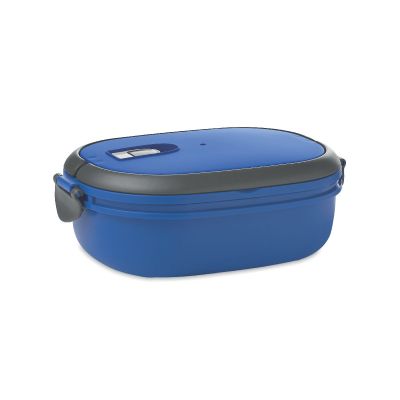
Guide to choosing Personalised Food containers
Designed for meals at different times of day, Personalised Food containers provide a wide choice of practical, tidy ways to store and carry food. From simple boxes to versions with several compartments and accessories, each model meets different needs. Materials, dimensions and closure systems also affect day-to-day practicality and versatility. Adding a logo turns these containers into useful promotional gifts for businesses, retailers and events.
Materials and construction
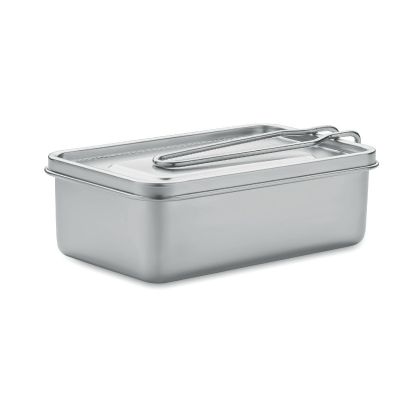
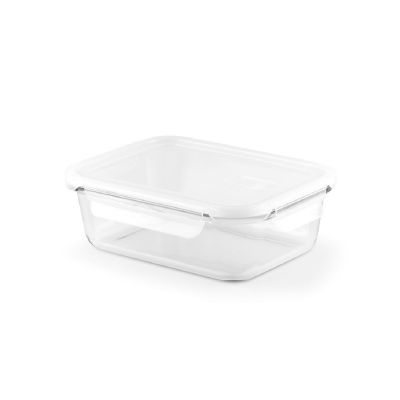
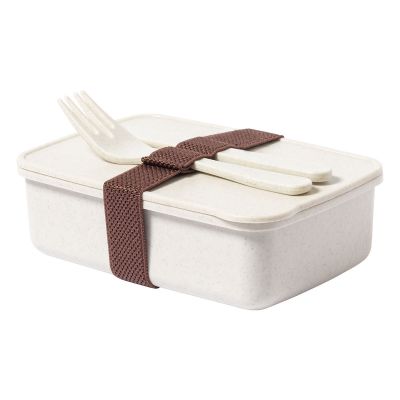
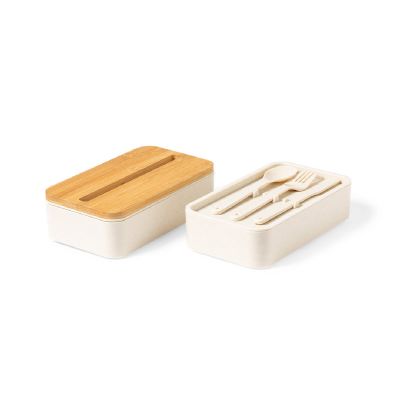
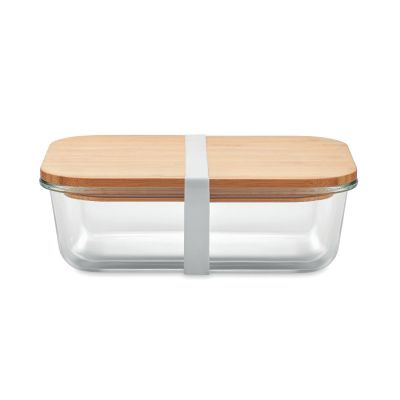
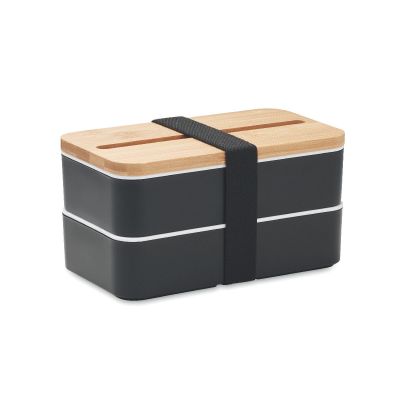
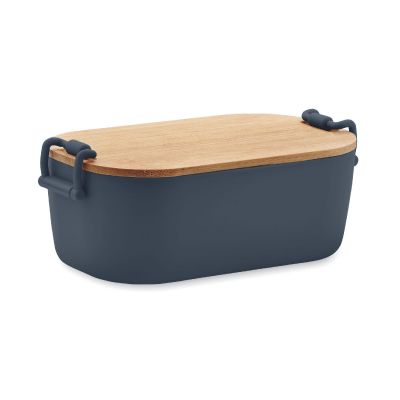
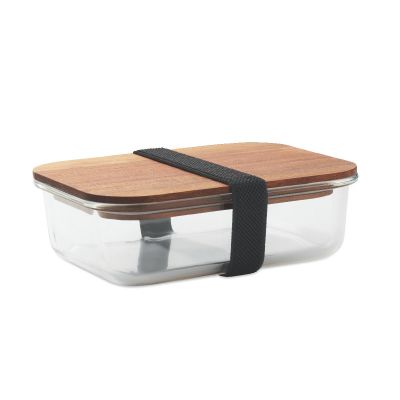
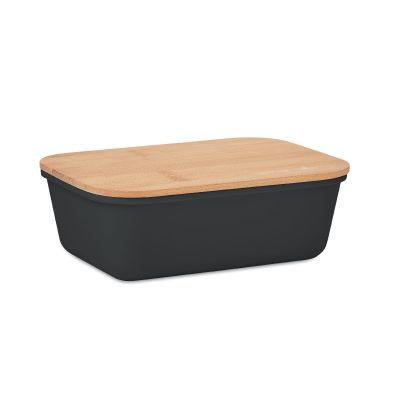
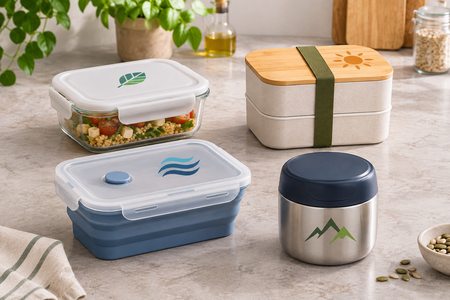
Materials affect not only appearance but also weight, durability and ease of use. The most common is polypropylene (PP), a lightweight, durable plastic widely used for containers and lids and well suited to everyday use. Stainless steel is another popular choice for the body, thanks to its strength and corrosion resistance; in double-walled models it also contributes to thermal insulation. Of the natural components, bamboo is especially common in lids and sometimes cutlery, lending a warm, refined look through its distinctive grain. Glass, including borosilicate glass, is mainly used for the container itself: it lets you see the food, is easy to clean and tends not to retain odours. Less common materials include flexible silicone, often used for seals and fastening bands, and economical kraft cardboard for takeaway meals.
Formats and dimensions
The shape and proportions determine how much room a food container takes up and how easily it can be stored or carried. There are four main formats, each with different characteristics and functions.
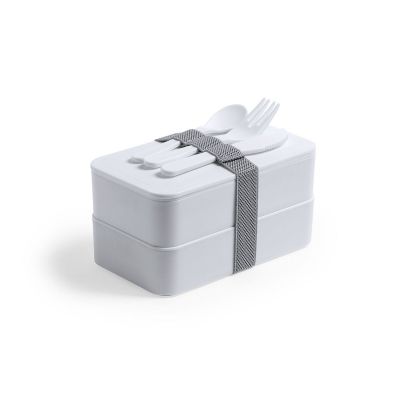
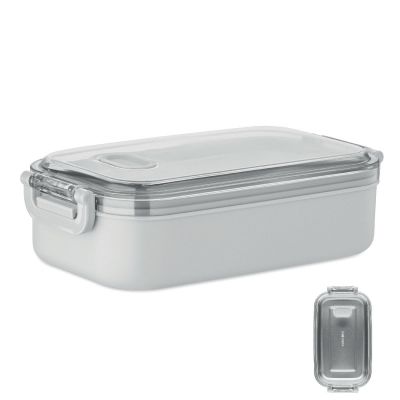
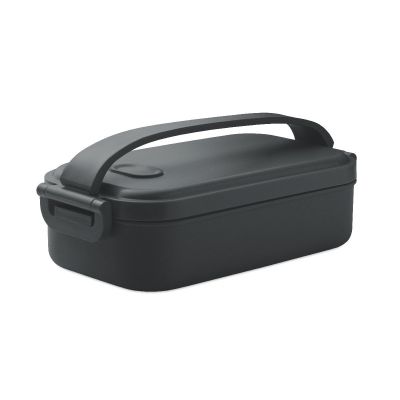
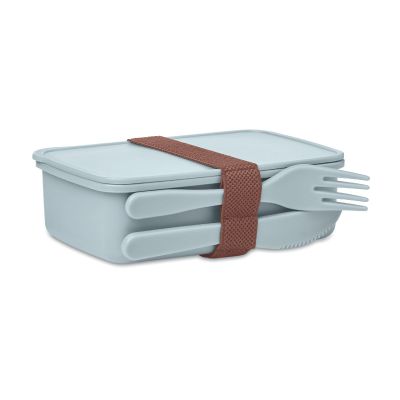
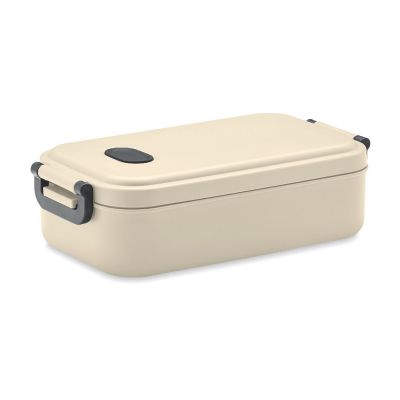
- Rectangular lunch boxes: their elongated base makes it easy to arrange food side by side. Typical dimensions are 16–26 cm long, 10–17 cm wide and 5–12 cm high.
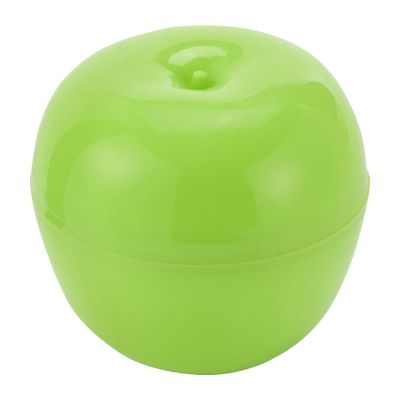
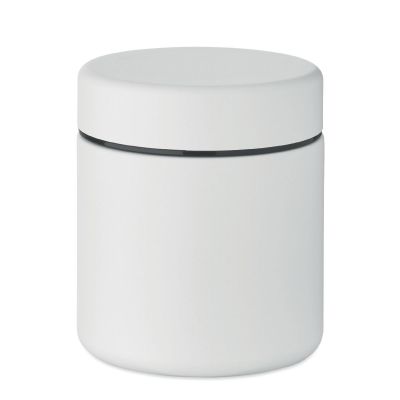
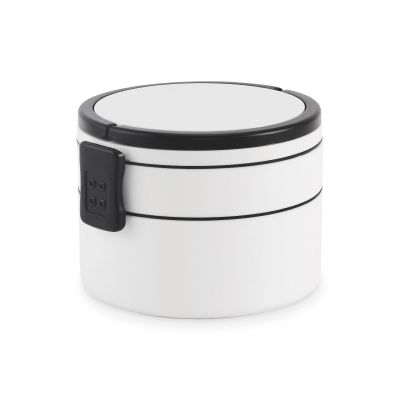
- Round and cylindrical lunch boxes: round models are generally lower and wider, while cylindrical models are taller. Diameters typically range from 9 to 16 cm, with heights of 7–17 cm depending on the design.
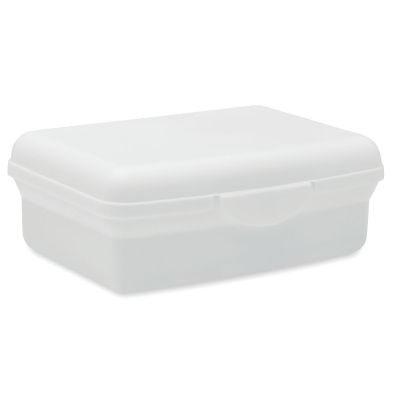
- Square or nearly square lunch boxes: compact and space-saving, with sides usually measuring 13–18 cm and heights rarely exceeding 10 cm. Sandwich boxes are a related square format, shaped more closely to slices of bread.
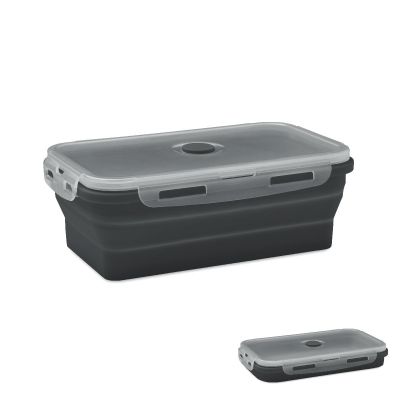
- Collapsible containers: their flexible walls fold down after use to reduce bulk. Bases generally measure 16–22 × 11–15 cm, while the height depends on whether the container is open or folded.
Compartments and other features
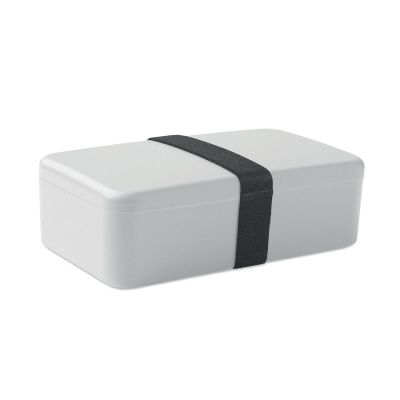
When choosing personalised food containers, consider how much food they must hold and how it needs to be arranged. Single-compartment models are suitable for one dish and offer a straightforward solution; two- or three-compartment versions, with sections side by side or stacked, keep different foods separate. Capacity generally ranges from 400 to 2,200 ml and helps you judge the amount of food a model will hold. Closures protect the contents: the most common is a lid, available in various materials and, when fitted with seals, capable of providing an airtight closure. Straps, elastic bands, clips and hooks help hold the lid in place. Some models have handles for carrying, while fixed or removable dividers organise food inside. Others feature thermal or insulating walls to help keep food at its temperature for longer.
Printing methods
Customisation lets you add logos and wording to promotional items for events, retailers and corporate initiatives. The right printing method depends on the chosen material, the design and the available print area. For personalised food containers, pad printing is widely used for simple designs: its flexible pad also works well on small or curved surfaces. Screen printing is a similar option for simple logos with a few solid colours and can be particularly cost-effective for larger quantities. For a more refined finish, consider engraving, which reproduces logos and text directly on the material without additional ink and enhances stainless-steel and bamboo surfaces with a precise, long-lasting result. Designs with multiple colours and gradients can suit digital transfer or epoxy doming. Digital transfer works well on flat, even surfaces and, where the model allows, can cover a large print area; epoxy resin coats the printed graphic with a raised, three-dimensional dome.
Gift ideas and practical uses
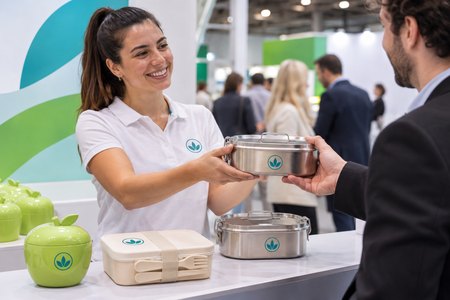
Personalised food containers are not limited to storing meals: they can support promotional activities aimed at customers, employees and partners. Restaurants, delicatessens and catering services can package takeaway meals in them or offer reusable models through loyalty schemes. Companies can include them in new-starter welcome kits or lunchtime initiatives, particularly alongside Personalised Water bottles & Sport bottles and Personalised Mugs. Schools and universities can hand them out at open days, educational activities and food-awareness projects, perhaps choosing Personalised Eco lunch boxes when the aim is to encourage recycling and environmental awareness. For gyms and sports centres, multi-compartment or insulated models make useful gifts for new members; supermarkets and food brands can include them in points schemes, promotions and gift packs accompanying new product launches.
If you would like more detailed guidance or a handy checklist to help you choose the personalised food containers best suited to your needs, download this document.
Personalised Food containers - FREQUENT QUESTIONS
It mainly depends on the intended use. For giving away large numbers of items at trade fairs and events, PP models are a practical, economical option. For a more premium corporate gift, consider stainless steel or glass, perhaps with a bamboo lid. Collapsible silicone containers are useful when space in a bag or backpack is limited. Always check washing instructions and microwave compatibility.
Start by considering what food will be carried and where the container will be used. Rectangular models work well for complete office lunches, while round and cylindrical ones suit yoghurt, soups and spoonable dishes. Sandwich boxes are useful for school snacks and light bites; collapsible versions are particularly convenient for travellers who want to save space after eating.
That depends on what it will hold. A single compartment is enough for one-dish meals, salads and foods that do not need separating. If the meal consists of a main course and a side dish, two compartments are preferable. Three compartments help organise more elaborate meals, for example in catering services or employee lunch kits, when foods with different textures need to remain separate.
400–700 ml can be enough for snacks and small bites, while 700–1,000 ml is often more suitable for a regular lunch. Models from 1,200 ml upwards suit larger portions or meals made up of several dishes. Check external dimensions too: a roomy container may be too bulky for your usual bag. Also verify the usable capacity, which does not always equal the total stated capacity.
For restaurants, bars and delicatessens offering takeaway meals, ease of packing, closure reliability and appropriate portion sizes are important. Kraft cardboard containers suit takeaway services, while reusable versions can be offered to regular customers. Companies providing lunch boxes for staff should prioritise durable, easy-to-clean models with secure closures, checking microwave and dishwasher compatibility where relevant.
For distributing large quantities, PP containers are often the most suitable: they are lightweight, economical and have surfaces that are easy to customise. A sandwich box can work well for family-focused promotions, while a traditional lunch box appeals to a broader audience. Consider glass and stainless-steel models or bamboo lids for rewards with a higher perceived value.
Start with contrast against the logo and the brand’s visual identity. Light shades usually make dark graphics easier to read, while dark shades contrast well with white or light logos. Bright colours suit promotions aimed at younger audiences; neutral or natural finishes are often better for understated corporate gifts.
Yes, provided the chosen product comes in several colour options. A mixed-colour order can distinguish company departments, tailor gifts to different audiences or provide a choice during a campaign. Each product page shows availability, but stock varies by colour and may change over time. Before ordering, check quantities for each variation and the applicable ordering conditions.
Available positions depend on the model. Common areas include the lid, front, back and sides. On cylindrical products, the body, cap or a wraparound area may also be customisable. To check exact techniques, dimensions and printing areas, see the “Printing information” section on each product page.
Yes, for most personalised food containers. Open your chosen product page, click “BUY SAMPLE” and complete the purchase. This lets you assess the product’s dimensions, materials and features before committing to a large order.