
Choosing guide for Personalised Clocks & watches
Personalised Clocks & watches combine practical use, brand recognition and flexibility across different settings. With classic, digital and multifunction models available, the right choice depends on the environment, the functions required and the most suitable type of customisation.
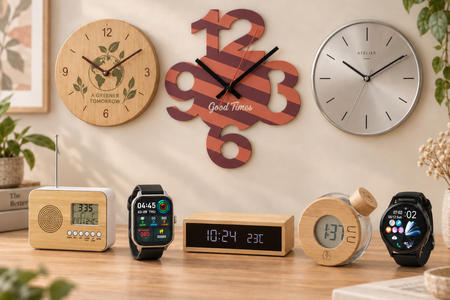
Available models
Personalised Clocks & watches are available in many models, each designed to meet specific usage needs.
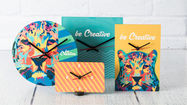
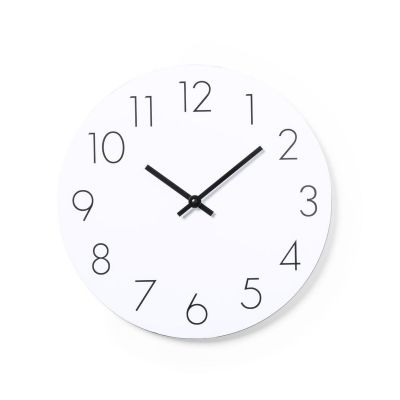
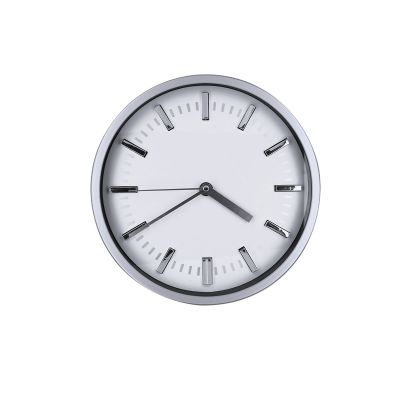
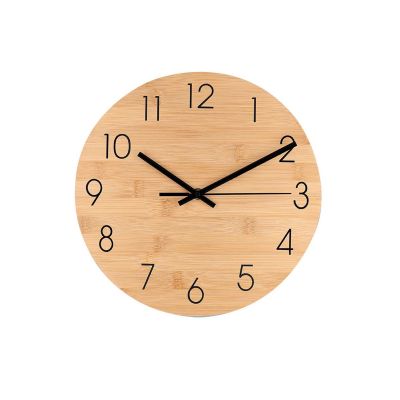
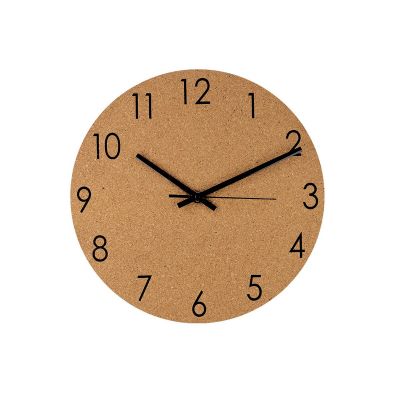
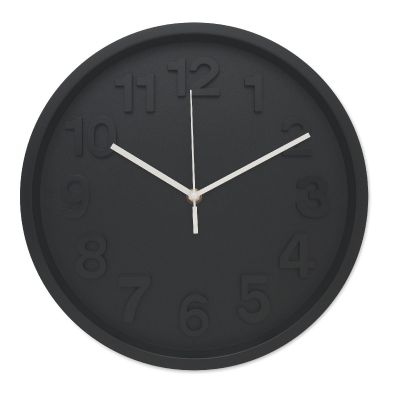
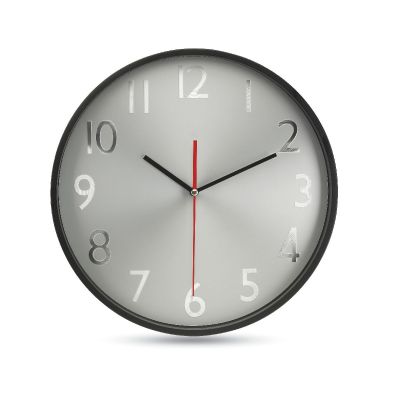
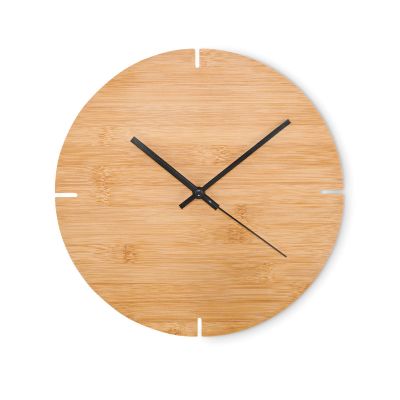
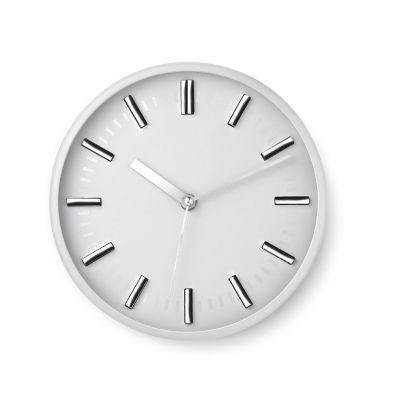
- Personalised Wall clocks: mainly analogue models designed to be hung on walls; the round shape is the most common.
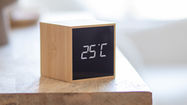
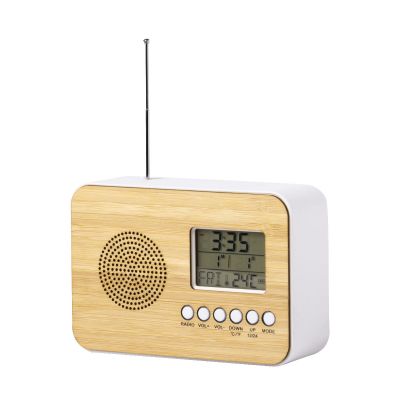
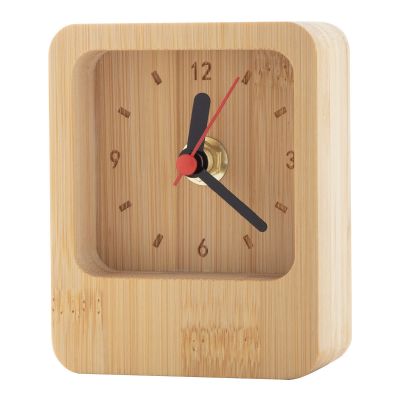
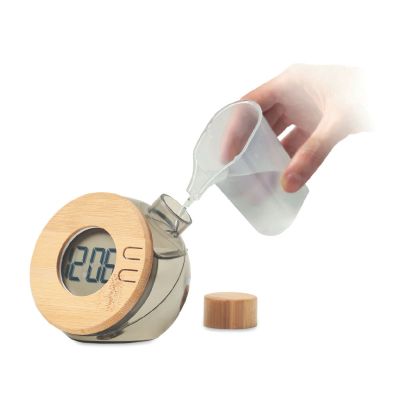
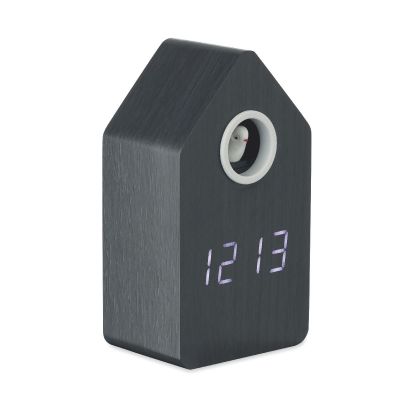
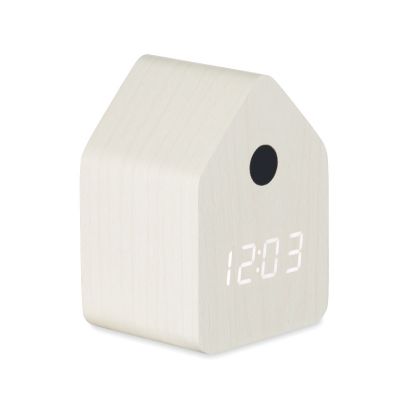
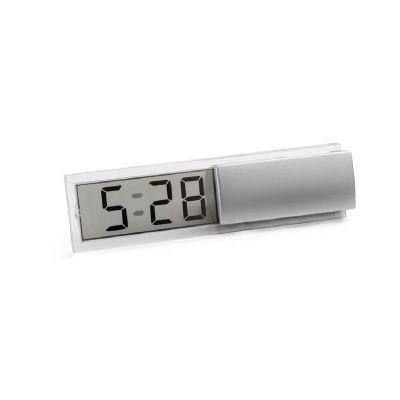
- Promotional Desk clocks: available in both analogue and digital versions. They have bases or supports that allow them to be placed on different surfaces, preferably smooth or flat. They come in various formats, including some very original designs.
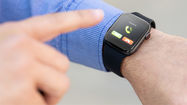
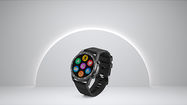
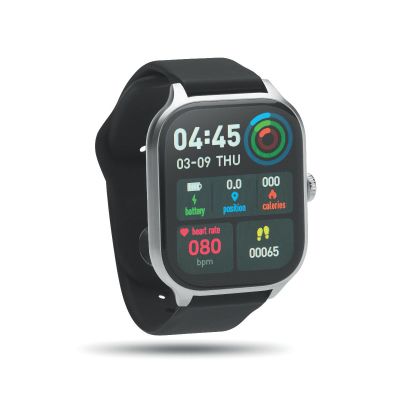
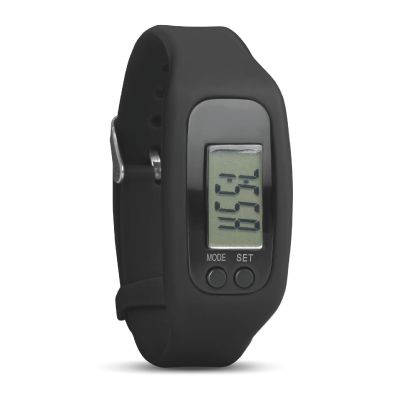
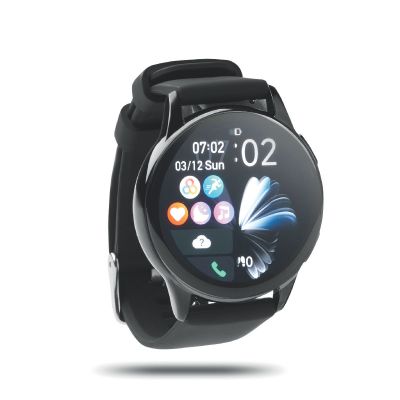
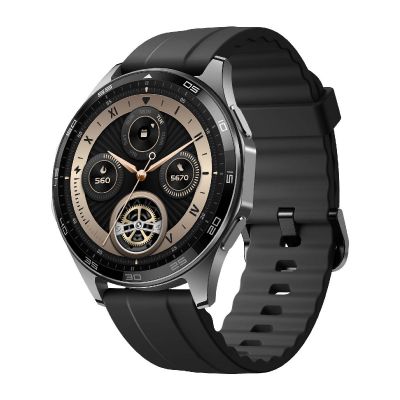
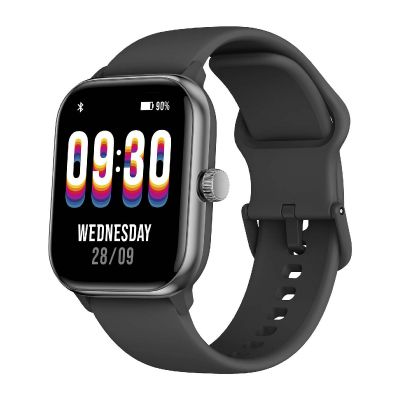
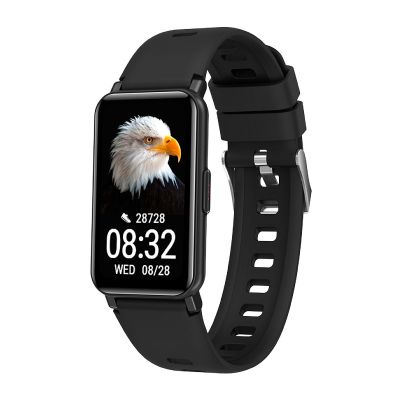
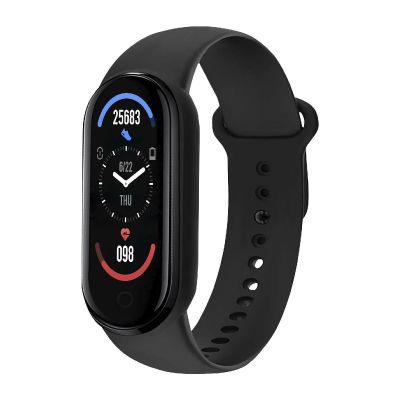
- Custom Wristwatch and Branded Smartwatches: characterised by the classic strap, available in several materials, including plastics such as ABS and silicone as well as metal. They can be analogue or digital and, in smart versions, combine numerous functions.
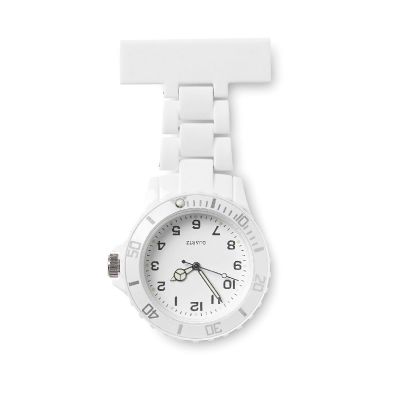
- Professional and specialist watches: products intended for particular uses, such as nurse watches, or specifically designed for technical and sports needs.
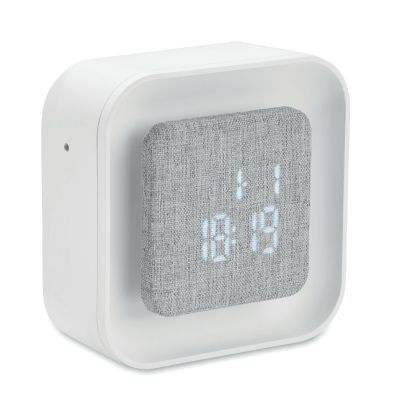
- Multifunction clocks: these devices combine several functions in a single product. They range from the digital features typical of smartwatches to more practical functions found in fixed models (alarm, calendar, smartphone stand, LED lamp and wireless charger).
Compatibility
Compatibility is an important factor when choosing Personalised Clocks & watches and should be assessed according to the model. More traditional devices, such as fixed clocks, especially analogue ones, work well in many settings. Desks and bedside tables are typically personal and private settings, while walls, reception areas and meeting rooms allow a clock to serve a more shared purpose while also contributing to the décor and visual identity of the space. Multifunction clocks are designed to enhance offices and improve the efficiency of workstations. Compatibility is quite different for smartwatches. These technological devices are specifically designed to communicate with smartphones and digital applications, so their many functions can be recorded while becoming even more practical and intuitive.
Functions
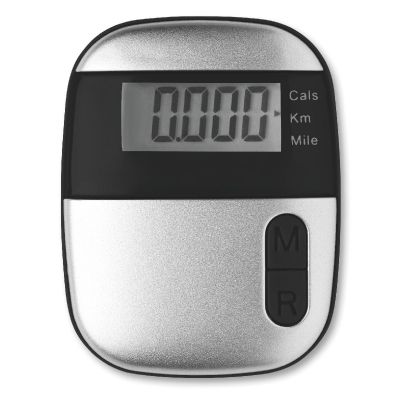
The function shared by all Personalised Clocks & watches, and the most traditional one, is displaying the time using hands, a digital display or a touch screen. Many models also include additional functions, each designed for specific needs. Fixed clocks can improve time management through alarms and calendars, while some models accurately measure temperature and humidity. The latter is particularly useful for people who need to keep their surroundings under constant control for work. Wineries, nurseries and food producers often need to monitor these data to protect the results of their work. Some Personalised Clocks & watches can also include functions such as FM radio, a smartphone stand and LED lighting, further expanding their possible uses. Smartwatches, on the other hand, focus more on monitoring well-being and personal progress. Common functions include a pedometer, heart-rate and blood-pressure monitoring, and sleep-quality analysis. Calls and notifications are transmitted from the phone via Bluetooth and, for people who enjoy physical activity, it is often possible to activate multisport modes and a stopwatch. Some models even offer a high level of water and dust resistance.
Print techniques
Customisation is what makes wall, desk and wrist models even more distinctive and recognisable. Several print techniques are available, but the technique that can be used on a particular product depends on various factors, including the chosen material, the characteristics of your logo and the available print area. For an extremely precise, elegant and durable result, you may choose engraving. This technique does not reproduce colours, but it can create both complex images and text. If, on the other hand, you want to make the most of the colours and shades in your artwork, you can choose an epoxy resin sticker. It supports full-colour printing, is durable and creates a high-quality visual effect, although it is not one of the most economical techniques. Pad printing and screen printing offer a middle ground in terms of colour: both can use colours, but they must be solid and limited to no more than four. These techniques are nevertheless often appreciated because they are economical and durable. Screen printing also creates a slight raised effect that is pleasant to the touch, while pad printing makes excellent use of very small print areas.
Gift ideas and usage tips
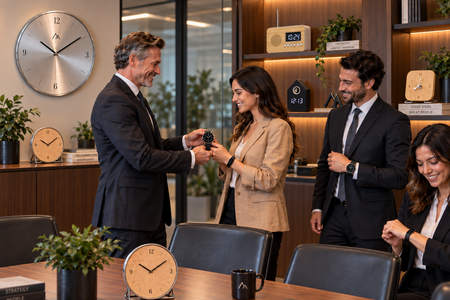
Clocks have ancient origins, but usefulness and style have remained constant over time. In companies, banks and professional practices they decorate offices, meeting rooms and shared spaces, but they can also become premium gifts for employees, customers and business partners, especially when wearable models are chosen. Fixed models, whether desk or wall clocks, are also an elegant decorative solution for hotels, resorts and hospitality venues. Placed in reception areas and hotel rooms, they give guests a constant time reference while conveying attention to detail. The modern appeal of Branded Smartwatches is particularly well suited to sport, fitness and wellness, as they can be used directly during activities and distributed before a competition or wellness programme, perhaps together with useful products such as Personalised Towels and Promotional Sunglasses. Their ability to combine technological development with well-being monitoring also makes them suitable for high-tech companies and medical and pharmaceutical environments. Although Personalised Clocks & watches are not diagnostic devices, they can help people monitor physical parameters, which makes them suitable promotional products for congresses, pharma meetings and ICT events.
If you need further information or a practical checklist to help you choose the Personalised Clocks & watches that best suit your needs, download this document.
Personalised Clocks & watches - FREQUENT QUESTIONS
It depends on what you need. Classic models in the Personalised Clocks & watches range are the most suitable choice if you want simplicity, immediacy and long-lasting brand visibility in offices, reception areas, meeting rooms or other corporate settings. Multifunction models are more suitable when you want to add value and practicality. If it is a corporate gift, also consider the usage context: a traditional clock primarily enhances the environment and the logo, while a multifunction model can also improve the user’s everyday experience.
It is advisable to choose durable models that are easy to distribute and have a clearly visible print area. Desk and wall clocks can provide large surfaces for the logo and are suitable for campaigns aimed at companies, major brands and retailers. Wrist models are interesting when you want the product to be worn and to stay with the recipient after the event. Depending on the event and target audience, also consider smartwatches and models with a higher perceived value.
The choice mainly depends on the style of the setting and the image you want to convey. Bamboo, wood and cork create a warm, natural effect and work well in contemporary environments that want to highlight materials of natural origin. Metal and aluminium have a more understated and elegant appearance, particularly suitable for executive offices, reception areas and meeting rooms. Plastics offer a wider variety of shapes and colours and are also practical for large-scale promotional projects.
It depends on the intended use and where you want the brand to be seen. Wall clocks give the logo continuous visibility in offices, shops, reception areas and shared spaces. Desk clocks are more personal and work well on desks, workstations and in hotel rooms. Wrist models turn the product into a mobile promotional medium that stays with the wearer throughout the day.
The setting in which the clock or watch will be used makes the difference. For offices and workstations, fixed clocks with calendar, alarm, LED lighting, smartphone stand and wireless charging can be useful. If you expect a sports-related use, consider smartwatches and check for functions such as a pedometer, stopwatch, multisport modes and activity and well-being indicators.
It depends on the structure and shape of the product. On wall clocks, customisation is mainly applied to the front, the dial or, in some cases, the entire surface. On desk clocks, common areas include the front, top, sides and base. On wrist models and smartwatches, the available areas are generally smaller and may include the case, strap and buckle. Before choosing, always consider logo dimensions, print area and available techniques.
It depends on the result you want to achieve. Engraving is particularly suitable for metal, bamboo, wood and cork and creates a precise, durable and elegant customisation, although it does not reproduce the original colours of the logo. Epoxy resin doming uses full-colour printing, enhances gradients and creates a glossy effect. Engraving is therefore ideal for understated, premium branding, while epoxy doming is preferable when colour and visual impact are priorities.
Yes, this option is available for most Personalised Clocks & watches. Simply open the selected product page, click “BUY SAMPLE” and complete the purchase. This is particularly useful because it allows you to assess dimensions, materials, finishes and perceived product quality in person.
Compatibility varies according to the model, the smartphone operating system and the app used to connect the two devices. Many models communicate via Bluetooth and support both Android and iOS, but requirements and available functions may differ. If the smartwatches are to be distributed to employees, customers or event participants, it is advisable to check the supported operating systems, any required application and the charging method in advance.
Models made from natural or recycled materials are the best choice. Bamboo, wood and cork give the product a natural, crafted appearance, while recycled plastics draw attention to reuse and waste reduction. Material should not be the only selection criterion for this type of event: also consider durability, usefulness and consistency between the product and the recipient.