
Choosing guide for Printed Bookmarks
Practical, compact and useful in many situations: printed bookmarks are a promotional item used by anyone who reads or studies. Their main purpose is to help us remember exactly where we left off, but over the years their decorative value has also become increasingly important. Formats, materials and covers define the style of bookmarks, while customisation is what truly makes them unique. By choosing from the available print methods, you can select the one best suited to your logo and graphics. This makes your printed bookmarks instantly recognisable and allows them to accompany recipients in their everyday reading activities.
Available formats
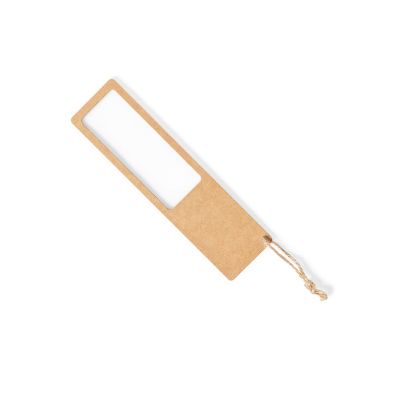
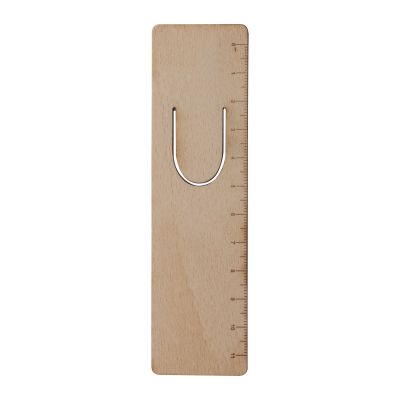
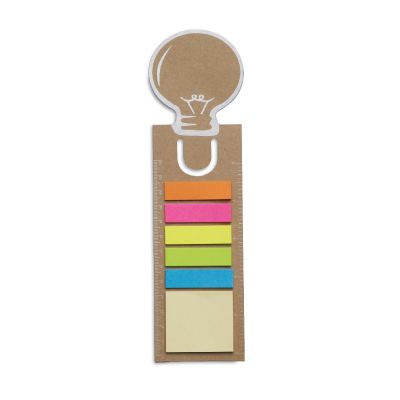
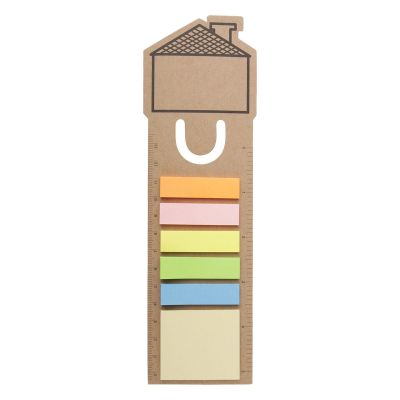
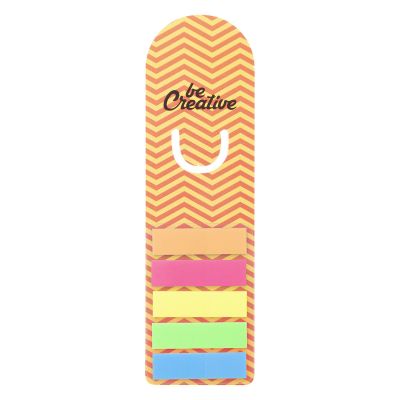
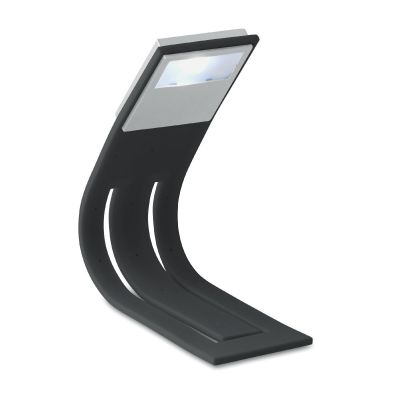
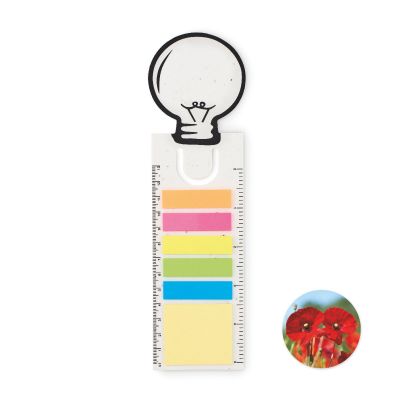
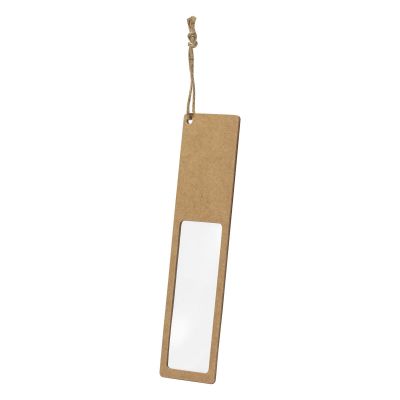
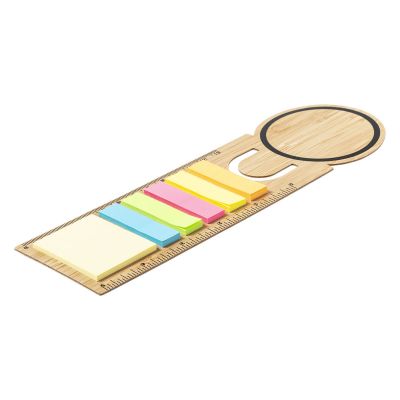
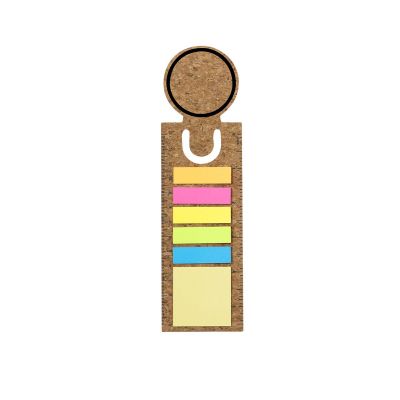
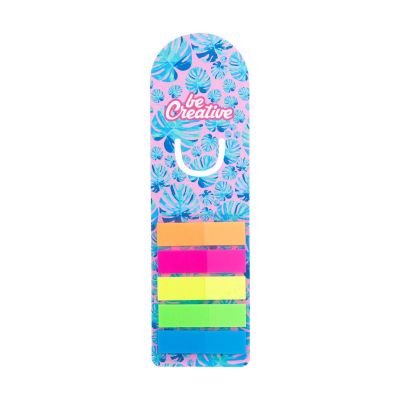
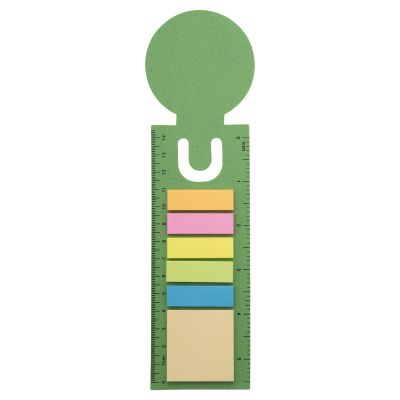
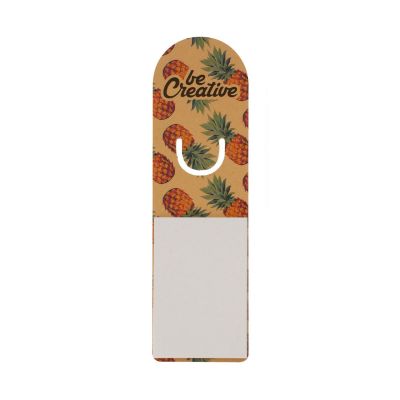
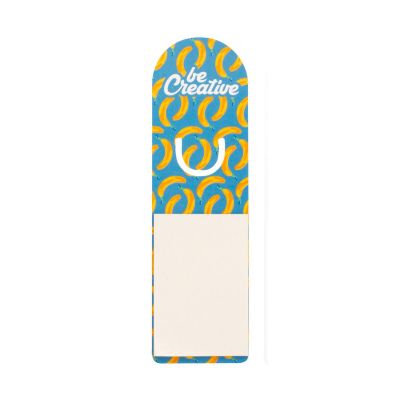
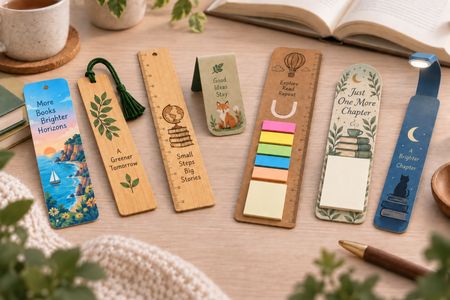
For printed bookmarks, the most common format is the classic vertical format: narrow, elongated and extremely versatile, specifically designed to fit between pages without adding thickness. An alternative is the flexible format, whose structure is extremely thin and adaptable, making it easy to use regardless of the size of the book. Alongside traditional models, many multifunction printed bookmarks have become increasingly popular in recent years. These models combine the classic page-marking function with additional accessories that improve practicality and broaden their use. LED lights and magnifying lenses make reading easier, the ruler allows quick measurements while studying, and sticky page markers can highlight pages, paragraphs or important passages, making the text easier to consult.
Paper and other materials
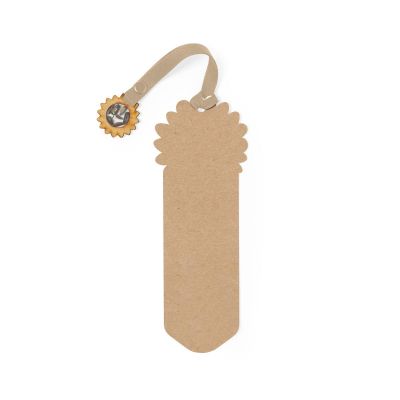
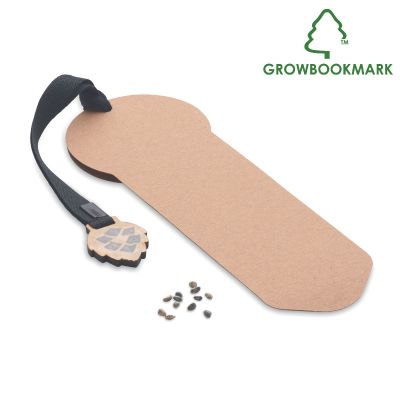
Most printed bookmarks are made from eco-friendly or natural-origin materials. Paper and cardboard, both standard and recycled, make these products light, thin and economical. The focus on sustainability is even greater with cork or wildflower seed paper. The latter is a particularly unusual and eco-friendly option because, after use, the bookmark can be planted in soil so that flowers can grow from it. If you are looking for more rigid and highly durable printed bookmarks, you can choose wood, plywood or bamboo. RPET felt, on the other hand, is softer and is made from recycled textile materials.
Covers
The cover is, together with customisation, one of the most noticeable aspects of printed bookmarks. Several versions are available, each with its own characteristics.
- Simple cover: the most classic and essential configuration. The structure is flat, linear and generally elongated.
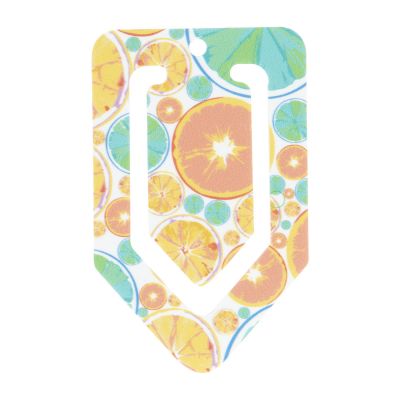
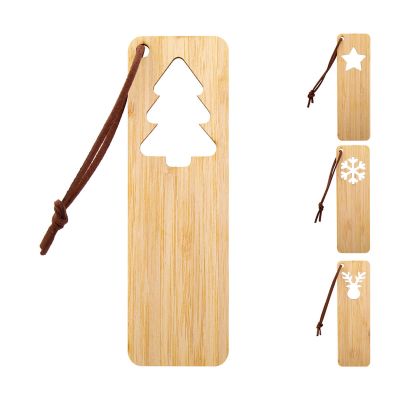
- Shaped cover: the classic rectangular profile is replaced by more distinctive shapes. Arrows, houses, light bulbs and Christmas motifs are just a few examples.
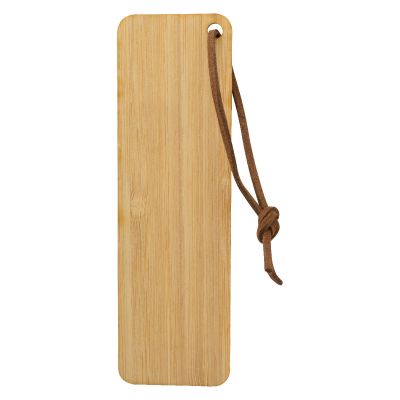
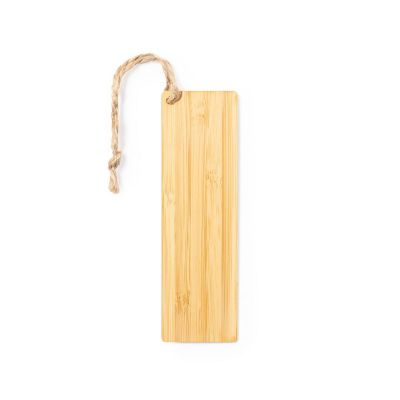
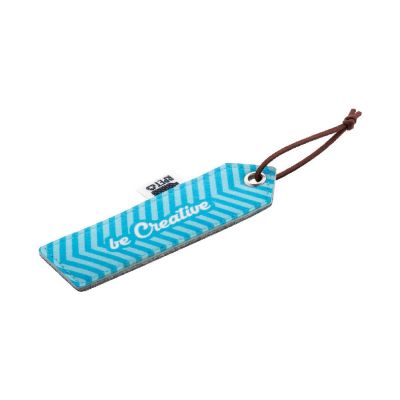
- Cover with cord: features a cord attached to the top. It is useful both as a decorative element and for finding and removing the bookmark more easily. It can be combined with both simple and shaped covers and is generally made from materials such as linen, jute, cotton and PU leather.
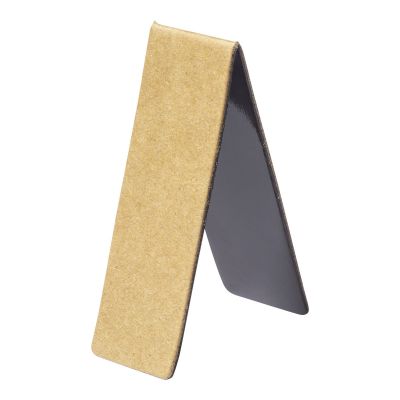
- Magnetic cover: made of two ends that wrap around the edge of the page and stay together thanks to a magnetic closure.
Customisation
Several print methods are available, each capable of giving your printed bookmarks a distinctive look. However, not every method can be applied to every product. Availability varies according to the material and print area, while the specific features of your logo and the effect you want to achieve are two more aspects to consider before choosing. Pad printing is frequently available because it is particularly suitable for small print areas such as these. It is also highly resistant, versatile and economical, although it cannot use more than four solid colours. Digital printing and digital transfer, on the other hand, can reproduce full-colour designs without limiting your creativity. Details remain sharp and gradients even. An elegant, precise and durable alternative is engraving. Although it cannot reproduce colours, it can create high-quality images and text. When available, it is especially well suited to materials such as bamboo, wood and cork.
Gift ideas and suggestions for use
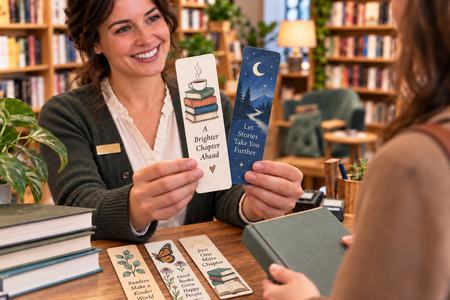
Printed bookmarks are a widely used and appreciated promotional item, especially in the worlds of study and reading. Publishers, bookshops, libraries and comic shops can use them in countless ways because of the immediate connection between the product and their sector. They can be offered as a gift after a book purchase or on completion of a loyalty programme, and can also feature new releases, bookshops and publishing presentations. Reading is one of the best pastimes for our wellbeing and, with bookmarks, it becomes even easier to pick up exactly where we left off. Their versatility is also appreciated by students and teachers, which is why schools, universities and training organisations can hand them out during open days or include them in small school kits. Together with Personalised Pens, Promotional Highlighter pens and Personalised Pencil cases, they make an ideal combination for lessons, both for students and teachers. As they are relatively small and generally inexpensive, they are also suitable for large-scale distribution at congresses, trade fairs and festivals, whether literary or, for example, environmental. Another sector that has made particularly good use of printed bookmarks in recent years is tourism. Museums, attractions and cultural institutions can offer them to visitors at the end of visits and guided tours. This gives tourists a practical and versatile promotional item that helps keep the memory of the experience alive.
If you need further information or a practical checklist to help you choose your printed bookmarks, download this document.
Printed Bookmarks - FREQUENT QUESTIONS
The intended use makes the difference. A classic bookmark is a simple, practical option and usually provides a good surface for a logo or graphic. Multifunction bookmarks are particularly suitable when you want to offer a more feature-rich promotional item that is useful for study or work. For events and large distributions, the classic format remains the easiest to hand out, while for more specific distributions you can consider accessories such as a ruler, sticky page markers, magnifying lens or LED light.
The choice mainly depends on how it will be used. Rigid bookmarks, made for example from wood or bamboo, are more resistant and retain their shape better. Soft and flexible models are equally light but offer greater flexibility. Before ordering, also consider the cover, any accessories and the print methods available for the material you have chosen.
Much depends on what you are looking for in the product and how you plan to use it. Simple covers are immediately recognisable and generally leave plenty of space for customisation. Shaped versions are more specific and may be suitable for themed events, while magnetic covers and those with a cord make reading easier and provide a more secure grip on the page.
Multifunction bookmarks are particularly suitable because they make study and work easier. Sticky page markers and a ruler, for example, help highlight chapters, organise notes and write short reminders, while LED lights and magnifying lenses make reading easier and less demanding.
The customisation areas vary according to the model. The logo can be printed on the front, back or both sides; multifunction models may have specific areas at the top or bottom, sometimes close to integrated accessories. Some items even allow extended customisation over most or all of the surface. Maximum print position and dimensions, together with the applicable print methods, are shown on each bookmark product page under “Print information”.
It depends on the graphic you need to print and the result you want to achieve. Both methods can reproduce detailed, multicolour graphics, but digital printing applies the graphic directly to the bookmark surface, while digital transfer first prints the design onto a specific carrier and then transfers it onto the product. Keep in mind that the availability of both methods depends on the material and model chosen. The available print methods are listed on the respective product pages.
Classic bookmarks are the most suitable in this case. Their slim, elongated shape makes them easy to insert into books and provides a good amount of space for logos, contact details and promotional messages. Consider magnetic models and those with a cord if you want greater stability on the page. Before completing the purchase, also consider the number of pieces you plan to distribute and the perceived value you want the promotional item to have.
It is best to prioritise simple bookmarks, lightweight bookmarks and models with enough space for customisation. Paper or cardboard models and classic formats take up little space and make it easy to highlight logos and promotional messages. Consider cork, bamboo, wildflower seed paper and RPET felt bookmarks if sustainability or recycling is central to the event. If you want a higher perceived value, choose engraving when available; opt for pad printing if you want an economical technique and your logo is not excessively fine or detailed.
Yes, this option is available for many of the Printed Bookmarks in the catalogue. If the product page includes the “Buy sample” option, simply select it and complete the order. This is very useful for checking the size, material, shape and features of the item in person before placing a larger order.
It depends on your brand identity, the material and the planned customisation. A colour that creates good contrast with the logo generally improves readability, while materials such as bamboo, wood, cork or recycled paper are especially suited to natural tones. Other models are available in several colours, many of them classic, making it easier to get closer to corporate colours. The customisation method should also be considered: when available, full-colour printing is suitable for multicolour graphics, while engraving creates the design directly on the surface without adding colour.